
The blog
Here's what the research shows
Articles on sleep, nutrition, exercise and the numbers that matter. Longevity science, made simple.
Jump to a topic:
Longevity metrics
Know your numbers
Is your number where it should be for your age? What's normal, what it means, and the first small step to improve it.
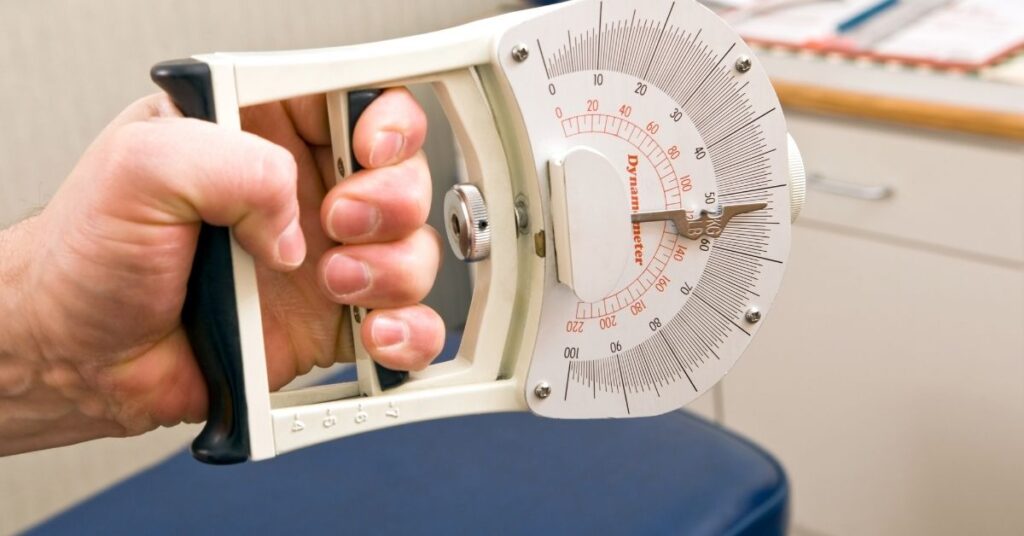
Grip Strength Chart by Age: What Your Number Means
Grip Strength Chart by Age: What Your Number Means Key Takeaways Grip strength is used as a quick marker of your overall strength and physical condition. It predicts both becoming seriously ill and surviving it – but surviving about twice as strongly. So don’t train your grip to improve it. Train your whole body, and […]
The Sitting-Rising Test: What Your Score Actually Means
The Sitting-Rising Test: What Your Score Actually Means Key Takeaways A score of 8 or above is considered normal. The score measures four things at once, which makes a single number harder to read than it looks. Nobody has shown a better score makes you healthier – but the things that improve it are worth […]
What Is a Good Waist-to-Height Ratio? (And How to Measure Yours)
What Is a Good Waist-to-Height Ratio? (And How to Measure Yours) Key Takeaways Keep your waist under half your height. A ratio over 0.5 suggests you may be carrying the kind of fat that drives heart disease and diabetes. Where you put the tape changes the number. Measure midway between your lowest rib and your […]
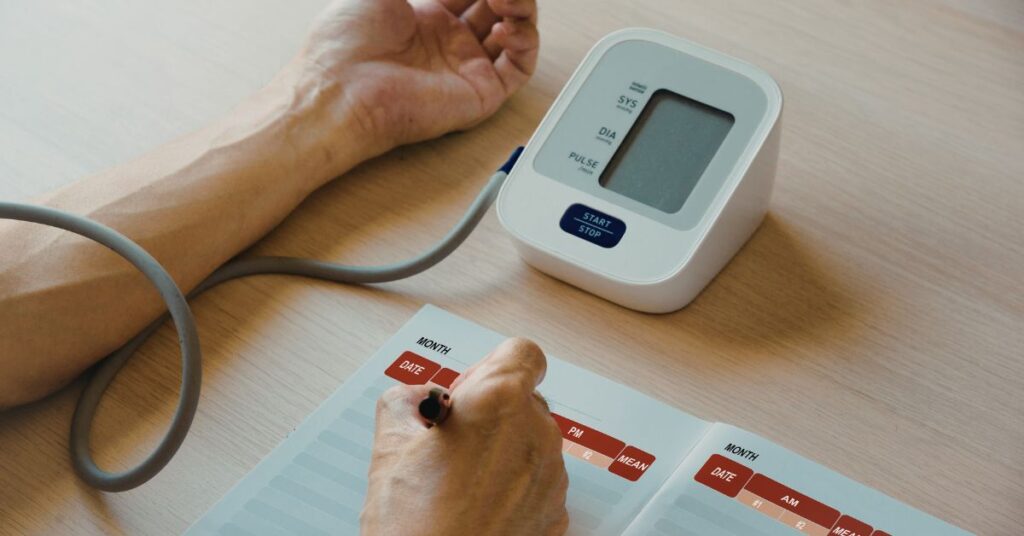
How to Lower Blood Pressure Naturally: What Actually Works, Ranked by Evidence
How to Lower Blood Pressure Naturally: What Actually Works, Ranked by Evidence Key Takeaways The most effective exercise for lowering blood pressure is a wall sit – not cardio. A 2023 meta-analysis of 270 trials found isometric exercise outperformed every other type of training. Realistic total reduction from lifestyle is 8 to 15 points, usually […]
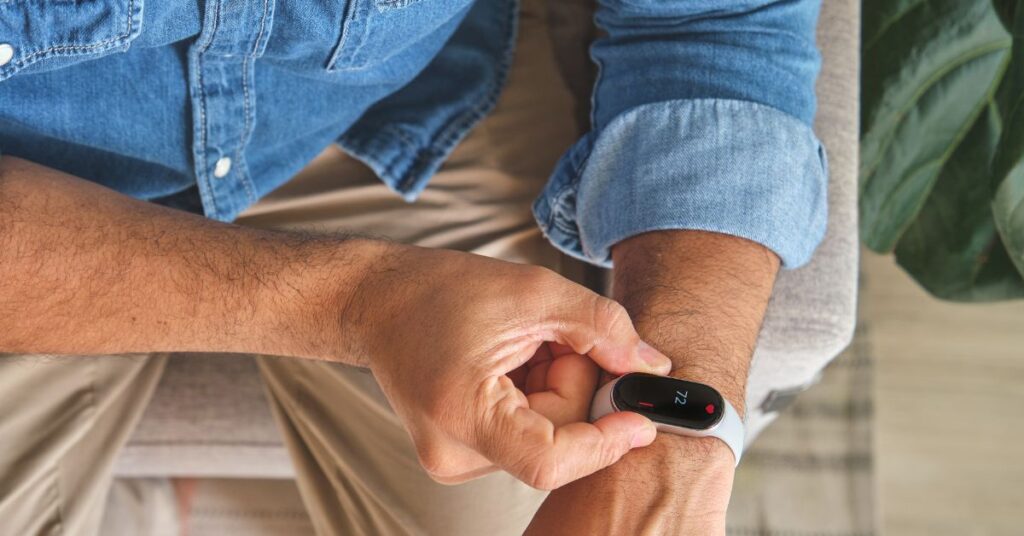
Heart Rate vs VO2 Max vs HRV: Which Is the Most Useful?
Heart Rate vs VO2 Max vs HRV: Which Is the Most Useful? Key Takeaways VO2 max is the strongest predictor of how long you’ll live – stronger than smoking, blood pressure, or diabetes. But it’s not the most practical metric on your watch. Resting heart rate is the one to actually track. It’s the most […]
Heart Rate Recovery: What Your Number Means (And Why It Matters More Than You Think)
Heart Rate Recovery: What Your Number Means (And Why It Matters More Than You Think) Key Takeaways A slow recovery doubles your risk of dying – and that finding has held up for 25 years. If your heart rate drops fewer than 12 beats in the first minute after exercise, multiple large studies link it […]
VO2 Max by Age: What Your Number Means and Why It Matters
VO2 Max by Age: What Your Number Means – and Why It Matters Key Takeaways VO2 max is the single strongest predictor of how long you’ll live – stronger than your cholesterol, blood pressure, or blood sugar. The same score means something very different at 45 than at 65 – always compare within your age […]
Healthy Aging Tips: What the Evidence Shows and How to Start
Healthy Aging Tips: What the Evidence Shows and How to Start Key Takeaways What you believe about ageing affects how long you live – by up to 7.5 years. More than exercise. More than blood pressure. Frailty isn’t inevitable. It’s mostly the result of decades of inactivity, poor nutrition, and poor sleep – not necessarily […]
What Is a Good HRV? (And How to Improve Yours)
What Is a Good HRV? (And How to Improve Yours) Key Takeaways Your trend matters more than today’s number. A single HRV reading can swing 10-15% day to day. Your 7-day average is what tells the real story. Different devices measure different things. Apple Watch reports a different metric to Oura and WHOOP. You can’t […]
What Is Cardiometabolic Health? (And Why Only 7% of Us Pass)
What Is Cardiometabolic Health? (And Why Only 7% Pass) Key Takeaways It’s one system, not five separate problems. Your blood pressure, blood sugar, cholesterol, weight, and heart health are all connected – and they tend to decline together. Almost nobody has optimal cardiometabolic health. Only 7% of US adults pass on all five markers – […]
What Is a Good Resting Heart Rate? (And Why “Normal” Isn’t the Same as Healthy)
What Is a Good Resting Heart Rate? (And Why “Normal” Isn’t the Same as Healthy) Key Takeaways The “normal” heart rate range of 60-100 is too broad. Where you sit within that range means very different things. Your resting heart rate reflects your cardiovascular fitness – that’s what actually matters. It’s not the number that […]
Longevity Tips That Actually Work (No Extreme Protocols)
Longevity Tips That Actually Work (No Extreme Protocols) Key Takeaways 75-80% of your longevity is lifestyle, not genetics. You have far more control than you might think. It’s never too late to start. Your 40s and 50s are especially high-leverage – but people who begin in their 60s, 70s, even 80s see meaningful benefits. The […]
Healthspan vs Lifespan: Add 12+ Healthy Years
Healthspan vs Lifespan: Why Living Longer Means Nothing Without Living Better Key Takeaways Lifespan is how long you live; healthspan is how long you live well – free from disease, disability, and decline The average person spends 9-12 years at the end of life in poor health – but this isn’t inevitable Five simple lifestyle […]










Sleep
How to fall asleep, stay asleep and wake up feeling rested.
How to Sleep When Stressed: Why Trying Harder Fails
How to Sleep When Stressed: Why Trying Harder Fails Key Takeaways You can’t make yourself sleep. You give up being awake. Leave the day’s worries in the daytime. Spend 10 minutes each day emptying your mind of all the tasks you have on your plate. Trying harder to sleep may be keeping you awake. Every […]
The 8-Hour Sleep Myth: How Much Sleep Do You Actually Need?
The 8-Hour Sleep Myth: How Much Sleep Do You Actually Need? Key Takeaways The eight-hour rule isn’t science. It came from a factory workers’ campaign 200 years ago. Most adults need somewhere between six and nine hours. There’s no single number that’s right for everyone. The simplest way to know if you’re getting enough: how […]
What Is Sleep Consistency? (And Why It Might Matter More Than Hours)
What Is Sleep Consistency? (And Why It Might Matter More Than Hours) Key Takeaways When you sleep may matter as much as how long. Irregular sleepers have higher heart and diabetes risk, even when they get their seven to nine hours. Your wake time is the lever. Getting up at the same time every day, […]
The Safest Sleep Aid: What to Take (And What to Stop)
The Safest Sleep Aid: What Works (And What to Stop) Key Takeaways No pill solves a sleep problem. They sedate. The underlying cause stays where it was. Every major guideline agrees: sleep aids are short-term tools, not long-term solutions. Prolonged-release melatonin is the safest pill for most adults. The effect is modest – around seven […]
Healthy Aging Tips: What the Evidence Shows and How to Start
Healthy Aging Tips: What the Evidence Shows and How to Start Key Takeaways What you believe about ageing affects how long you live – by up to 7.5 years. More than exercise. More than blood pressure. Frailty isn’t inevitable. It’s mostly the result of decades of inactivity, poor nutrition, and poor sleep – not necessarily […]
Sleep Schedule for Busy Professionals: The 1-Hour Rule
Sleep Schedule for Busy Professionals: The 1-Hour Rule Key Takeaways The 1-hour rule: Keep your wake time within 1 hour every day – including weekends. This single habit matters more than how many hours you get. Anchor your wake time first. Work backwards for bedtime. Your body will naturally get tired at the right time […]





Can't sleep?
Sleep Mentor is my doctor-led course to beat insomnia, using CBT-i (cognitive behavioural therapy for insomnia).
Nutrition
What to eat for more healthy years, without a diet you hate.
How to Calculate Protein Intake: A Doctor’s Simple Rule
How to Calculate Protein Intake: A Doctor’s Simple Rule Key Takeaways The simplest way to calculate your protein intake: your weight in kilos is roughly the grams you need a day, at any age. It doesn’t need to be exact. About 25 to 30 grams at each meal, breakfast included, gets most people there. Protein […]
High Protein Foods for GLP-1: The Short List That Actually Works
High Protein Foods for GLP-1 (When You Can Barely Eat) Key Takeaways Aim for 25 to 30 grams of protein, three or four times a day. That’s a tin of tuna, a protein shake, or a palm-sized piece of chicken. Choose protein that’s dense and low in fat. Fat is what sits longest when the […]
Does Losing Weight Increase Testosterone? What the Evidence Says
Does Losing Weight Increase Testosterone? What the Evidence Says Key Takeaways Yes – and it’s dose-dependent. The more fat you lose, the more your testosterone rises. Modest weight loss helps; large losses can raise it substantially. Your waistline matters more than your age. In one study of nearly 1,900 men, four inches on the waist […]
GLP-1 Muscle Loss: What’s Real, What’s Overstated, and What to Do
GLP-1 Muscle Loss: What’s Real, What’s Overstated, and What to Do Key Takeaways The headline “40% of weight lost is muscle” overstates what’s really happening. A meaningful part of that “lean tissue” is your liver shrinking back to normal – and the muscle that remains is leaner and healthier. The drug isn’t destroying muscle. Eating […]
How to Maintain Muscle After 40: What Actually Works
How to Maintain Muscle After 40: What Actually Works Key Takeaways Muscle loss after 40 has two components: a slow age-related drift, and short, sharp losses from illness or immobilisation. The sharp losses are where most of the preventable damage happens. It’s never too late to build muscle. Even nursing-home residents in their nineties can […]
Healthy Aging Tips: What the Evidence Shows and How to Start
Healthy Aging Tips: What the Evidence Shows and How to Start Key Takeaways What you believe about ageing affects how long you live – by up to 7.5 years. More than exercise. More than blood pressure. Frailty isn’t inevitable. It’s mostly the result of decades of inactivity, poor nutrition, and poor sleep – not necessarily […]
What Is Cardiometabolic Health? (And Why Only 7% of Us Pass)
What Is Cardiometabolic Health? (And Why Only 7% Pass) Key Takeaways It’s one system, not five separate problems. Your blood pressure, blood sugar, cholesterol, weight, and heart health are all connected – and they tend to decline together. Almost nobody has optimal cardiometabolic health. Only 7% of US adults pass on all five markers – […]
Foods That Fight Fatigue: What Actually Works (And What Doesn’t)
Foods That Fight Fatigue: What Actually Works (And What Doesn’t) Key Takeaways It’s your eating pattern, not a missing superfood. Blood sugar crashes, skipped protein, and ultra-processed meals drain energy through different mechanisms – and they stack up. Your body handles food differently after 40. Insulin slows down, muscles need more protein, and nutrient gaps […]
Why You’re Always Tired After Eating (And When It Actually Matters)
Why You’re Always Tired After Eating (And When It Actually Matters) Key Takeaways You’d feel this dip even without lunch. Your body clock programs a slump 6-8 hours after waking – food just makes it more noticeable. Two minutes of walking beats another coffee. Even a short stroll after eating blunts the blood sugar crash […]
Zone 2 Training for Beginners: Why Walking Is Enough
Zone 2 Training for Beginners Over 40: Why Walking Is Enough Key Takeaways You don’t need to run. Zone 2 is an intensity, not an activity. Walking – especially with inclines – is legitimate Zone 2 training. The talk test is your guide. If you can hold a conversation but it’s slightly strained, you’re in […]








Exercise
Simple ways to get fitter and stronger at any age.
High Protein Foods for GLP-1: The Short List That Actually Works
High Protein Foods for GLP-1 (When You Can Barely Eat) Key Takeaways Aim for 25 to 30 grams of protein, three or four times a day. That’s a tin of tuna, a protein shake, or a palm-sized piece of chicken. Choose protein that’s dense and low in fat. Fat is what sits longest when the […]
How Much Strength Training Do You Actually Need Per Week?
How Much Strength Training Do You Actually Need Per Week? Key Takeaways Most of the benefit is banked early. Two short sessions a week – around 30 to 60 minutes total – captures the large majority of the longevity payoff. More helps a little. Far more adds almost nothing. Do your cardio too. In the […]
Does Losing Weight Increase Testosterone? What the Evidence Says
Does Losing Weight Increase Testosterone? What the Evidence Says Key Takeaways Yes – and it’s dose-dependent. The more fat you lose, the more your testosterone rises. Modest weight loss helps; large losses can raise it substantially. Your waistline matters more than your age. In one study of nearly 1,900 men, four inches on the waist […]
GLP-1 Muscle Loss: What’s Real, What’s Overstated, and What to Do
GLP-1 Muscle Loss: What’s Real, What’s Overstated, and What to Do Key Takeaways The headline “40% of weight lost is muscle” overstates what’s really happening. A meaningful part of that “lean tissue” is your liver shrinking back to normal – and the muscle that remains is leaner and healthier. The drug isn’t destroying muscle. Eating […]
How to Maintain Muscle After 40: What Actually Works
How to Maintain Muscle After 40: What Actually Works Key Takeaways Muscle loss after 40 has two components: a slow age-related drift, and short, sharp losses from illness or immobilisation. The sharp losses are where most of the preventable damage happens. It’s never too late to build muscle. Even nursing-home residents in their nineties can […]
Heart Rate vs VO2 Max vs HRV: Which Is the Most Useful?
Heart Rate vs VO2 Max vs HRV: Which Is the Most Useful? Key Takeaways VO2 max is the strongest predictor of how long you’ll live – stronger than smoking, blood pressure, or diabetes. But it’s not the most practical metric on your watch. Resting heart rate is the one to actually track. It’s the most […]
Heart Rate Recovery: What Your Number Means (And Why It Matters More Than You Think)
Heart Rate Recovery: What Your Number Means (And Why It Matters More Than You Think) Key Takeaways A slow recovery doubles your risk of dying – and that finding has held up for 25 years. If your heart rate drops fewer than 12 beats in the first minute after exercise, multiple large studies link it […]
Is Sitting All Day Bad for You? (Yes — Even If You Exercise)
Is Sitting All Day Bad for You? (Yes – Even If You Exercise) Key Takeaways Your morning workout doesn’t fully cover the rest of the day. Exercise benefits fade within hours. Sitting triggers its own damage through separate biological pathways. Your muscles do more than move you – they’re a chemical signalling system. When you […]
Best Exercise to Live Longer: What the Research Actually Shows
Best Exercise to Live Longer: What the Research Actually Shows Key Takeaways Your body needs three types of physical stress – aerobic, strength, and daily movement. Combining even modest amounts of each cuts mortality risk by 40-50% You need less than you think. Eleven minutes of brisk walking a day reduces early death risk by […]
VO2 Max by Age: What Your Number Means and Why It Matters
VO2 Max by Age: What Your Number Means – and Why It Matters Key Takeaways VO2 max is the single strongest predictor of how long you’ll live – stronger than your cholesterol, blood pressure, or blood sugar. The same score means something very different at 45 than at 65 – always compare within your age […]
Healthy Aging Tips: What the Evidence Shows and How to Start
Healthy Aging Tips: What the Evidence Shows and How to Start Key Takeaways What you believe about ageing affects how long you live – by up to 7.5 years. More than exercise. More than blood pressure. Frailty isn’t inevitable. It’s mostly the result of decades of inactivity, poor nutrition, and poor sleep – not necessarily […]
What Is a Good HRV? (And How to Improve Yours)
What Is a Good HRV? (And How to Improve Yours) Key Takeaways Your trend matters more than today’s number. A single HRV reading can swing 10-15% day to day. Your 7-day average is what tells the real story. Different devices measure different things. Apple Watch reports a different metric to Oura and WHOOP. You can’t […]
What Is Cardiometabolic Health? (And Why Only 7% of Us Pass)
What Is Cardiometabolic Health? (And Why Only 7% Pass) Key Takeaways It’s one system, not five separate problems. Your blood pressure, blood sugar, cholesterol, weight, and heart health are all connected – and they tend to decline together. Almost nobody has optimal cardiometabolic health. Only 7% of US adults pass on all five markers – […]
What Is a Good Resting Heart Rate? (And Why “Normal” Isn’t the Same as Healthy)
What Is a Good Resting Heart Rate? (And Why “Normal” Isn’t the Same as Healthy) Key Takeaways The “normal” heart rate range of 60-100 is too broad. Where you sit within that range means very different things. Your resting heart rate reflects your cardiovascular fitness – that’s what actually matters. It’s not the number that […]



More topics
Supplements and Environment
Which supplements are worth taking, and how the world around you affects your health.
Does Creatine Cause Hair Loss? What the Evidence Shows
Does Creatine Cause Hair Loss? What the Evidence Shows Key Takeaways No study has shown that creatine causes hair loss. The one trial that measured hair found no change. Shedding after starting creatine usually has another cause – your age, or a change in diet or training two to three months earlier. 3 to 5 […]
Creatine Side Effects: What’s Real and What Isn’t
Creatine Side Effects: What’s Real and What Isn’t Key Takeaways Creatine is one of the safest supplements there is. Side effects are no more common than with a placebo. It raises the marker your GP uses to check your kidneys, without harming them. Tell your doctor you take it. The 2026 cancer study was in […]
Forever Chemicals: How to Reduce Your PFAS Exposure
Forever Chemicals: How to Reduce Your PFAS Exposure Key Takeaways You can’t fully avoid them – and for most people, that’s fine. PFAS are in nearly everyone’s blood, but at levels well below where harm has been shown. Detection isn’t danger. We can now measure a single drop in twenty swimming pools. Finding a chemical […]
The Safest Sleep Aid: What to Take (And What to Stop)
The Safest Sleep Aid: What Works (And What to Stop) Key Takeaways No pill solves a sleep problem. They sedate. The underlying cause stays where it was. Every major guideline agrees: sleep aids are short-term tools, not long-term solutions. Prolonged-release melatonin is the safest pill for most adults. The effect is modest – around seven […]
Types of Magnesium: What Actually Works (and What Doesn’t)
Types of Magnesium: What Actually Works (and What Doesn’t) Key Takeaways The form on the bottle matters less than the marketing claims. No trial has ever shown one form works better than another for the outcome you care about. Stronger evidence for only two conditions: migraine prevention and constipation. For sleep, anxiety, and blood pressure, […]
Creatine Over 50: Who Should Take It (And Who Shouldn’t)
Creatine Over 50: Who Should Take It (And Who Shouldn’t) Key Takeaways Creatine works – but mostly for one thing. It helps you build muscle and strength when paired with resistance training. The training does the work; creatine multiplies it. Without lifting, the muscle gains essentially aren’t there. The brain claims are oversold. European and […]



Not sure where to start?
Get my free guide, The Vital 3 Method: the actions that make a difference, not 100 biohacks that don't.
Get the free guide