
Zone 2 Training for Beginners Over 40: Why Walking Is Enough
Key Takeaways
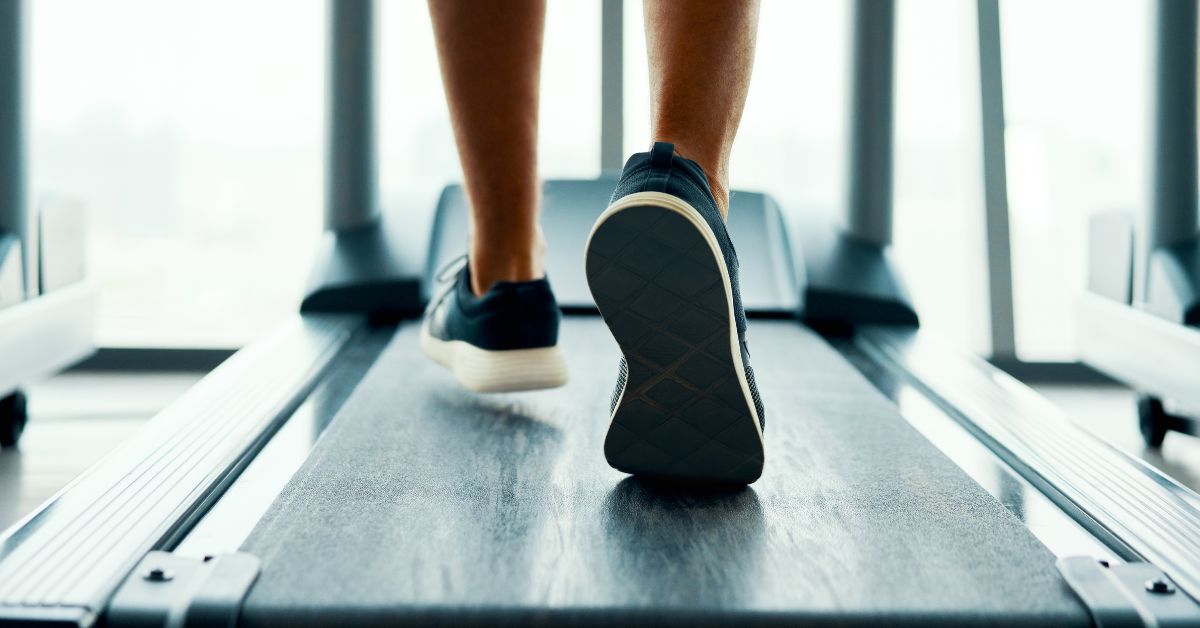
- You don't need to run. Zone 2 is an intensity, not an activity. Walking — especially with inclines — is legitimate Zone 2 training.
- The talk test is your guide. If you can hold a conversation but it's slightly strained, you're in Zone 2. No gadgets required.
- Aerobic fitness is the strongest predictor of longevity — stronger than blood pressure, cholesterol, even smoking status. This is worth doing.
Zone 2 is everywhere. Peter Attia talks about it. Huberman talks about it. Every longevity podcast mentions it.
But when you look it up, you get heart rate formulas, lactate thresholds, five-zone models. It sounds like something for athletes, not for someone who hasn't exercised properly in years.
Here's what I wish someone had told me: Zone 2 just means exercising at a pace where you can still hold a conversation. That's it. And when it comes to Zone 2 training for beginners over 40, that pace is usually walking — not jogging, not running. Walking.
I'm a medical doctor who's interviewed exercise physiologists to understand what actually matters for longevity. My Zone 2 training? I walk on a treadmill. I never run. In under six months I lost 15kg in weight and increased my VO2 max by 10 points (more on that later).
All from walking.
Why Aerobic Fitness Matters So Much
If you asked your GP to assess your health, they'd check your blood pressure and cholesterol. Those matter. But they're not the best predictors of how long you'll live.
As Professor Niels Vollaard, an exercise physiologist at the University of Stirling, told me: "The best measure of your risk of future disease and your chances of living longer is your fitness level, your aerobic fitness level, or your ability to take up oxygen."
A Cleveland Clinic study followed over 122,000 people and found that low aerobic fitness was a bigger mortality risk factor than smoking, diabetes, or high blood pressure. The least fit had five times the mortality risk of the most fit.
This isn't about becoming an athlete. It's about building and maintaining cardiovascular fitness, minimising weight gain and the health risks that come with it, and living life with more vitality. And it's about being functional at 75 and beyond. Climbing stairs without stopping. Carrying shopping. Playing with grandchildren. Aerobic fitness is what keeps you capable and independent as you age.
And it's trainable at any age. Even starting in your 50s or 60s (or later) produces real gains.

What Zone 2 Actually Means
Zone 2 is moderate-intensity exercise — where you reach around 60-70% of your maximum heart rate. At this intensity, your body burns fat efficiently and builds the foundation of your cardiovascular system.
But you don't need to calculate anything.
The talk test is your guide.
As Professor Jason Gill, who studies metabolic health at the University of Glasgow, explained to me: "If something's moderate intensity, you can be walking along and having a chat. Once it gets to vigorous, we're struggling to have the conversation."
If you can speak in full sentences but it takes a bit of effort, you're in Zone 2. If you can only get out a few words between breaths, slow down. If you could comfortably sing, you're not working hard enough.
That's all you need to know to start.
Want the complete framework?
The "Vital 3 Method" free guide — the system I use to build sustainable health habits across sleep, nutrition, and exercise
Why It Feels Too Easy
Zone 2 doesn't feel like a workout. You're not gasping. You're not drenched in sweat. You finish and think: Did that even count?
It did. That feeling of "too easy" is exactly right.
Here's the problem: we assume running is "real" exercise. Walking feels like giving up. You see joggers pass you and feel like you're not trying hard enough.
But easy is the point.
Elite endurance athletes spend about 80% of their training time at low intensity. Easy days are meant to be easy. Most recreational exercisers get this backwards — they go medium-hard every session and wonder why they plateau.
Don't quit in the first few weeks because it feels too slow. The adaptations are happening before you can see them.
Walking Is Enough
So what does "easy" actually look like for a beginner?
Professor Gill put it simply: "If you are just starting off, you're probably better off going for a walk for an hour than trying to do a run initially."
For most beginners, jogging — even slowly — pushes your heart rate straight past Zone 2. Walking isn't the easy option. It's the right intensity for where you are.
A lot of the healthy older people I've met through my research and 25-year career as a doctor only ever walked. Never ran a day in their lives. Walking works.
How to Progress
If you're starting out, begin with small goals.
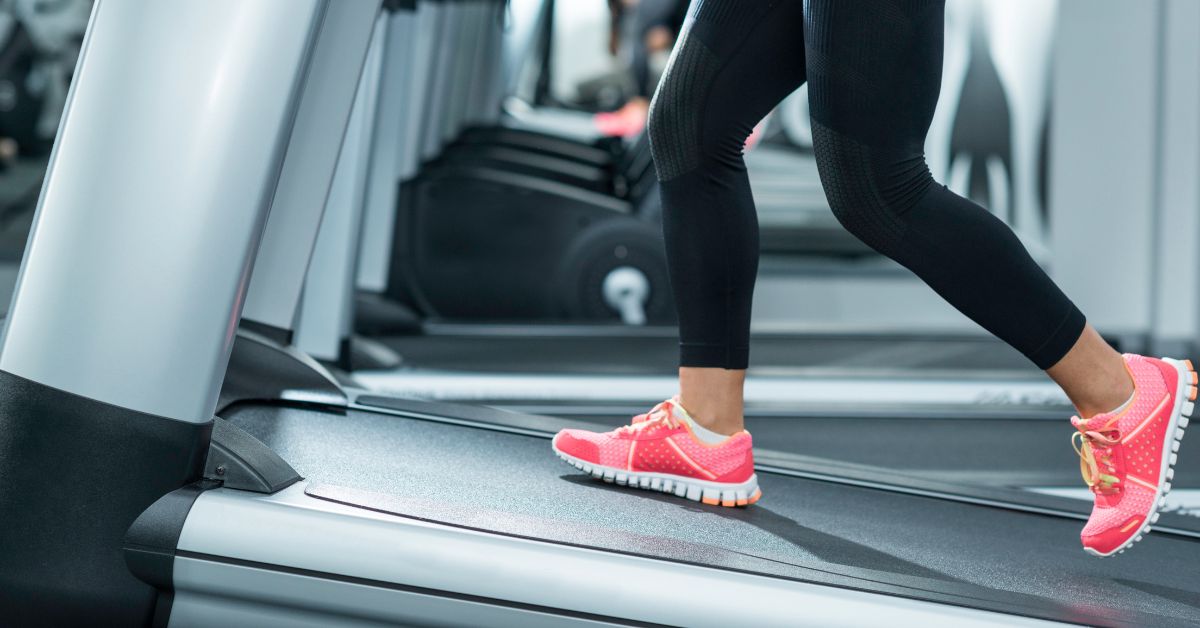
Twenty minutes, three times a week is enough to begin. If that feels like too much, start with 10. Something always beats nothing, and you're building the habit. A short walk still counts.
Starting small also protects your body. As Professor Vollaard told me: "Your muscles are going to be no issue at all. They love adapting. But you need to be careful that you don't overload your joints and your ligaments."
Muscles adapt quickly. Connective tissue takes longer. Starting gently avoids setbacks.
Be patient. This takes time.
The first few weeks often feel frustrating. You're putting in effort but nothing seems to change. That's normal. The adaptations are happening — you just can't see them yet.
What to expect:
- Weeks 1-4: Not much visible change. Stick with it.
- Weeks 4-8: Better energy. Same effort feels easier. Resting heart rate starts to drop.
- Months 2-3: Measurable improvement. Faster paces at the same heart rate.
- Months 3-6: Real transformation. Weight loss. Fitness gains.
Once the habit feels solid — and the walks feel easy — you can add challenge.
Two ways to progress: more time, or more intensity.
Adding time is simple. If 20 minutes feels easy, try 25. Build to 30-60 minutes, three to five times a week — that's a good sustainable target.
Adding intensity means walking faster, increasing incline, or throwing in short bursts. Professor Leigh Breen suggests a simple method: "A nice way to advance is to incorporate sporadic bursts of very fast walking. If you see a lamppost 100 metres ahead, you decide that between where you are now and that lamppost you're going to walk as fast as you can."
You can do both — a bit more time, a bit more intensity. Or just one. Either works.
Small increases. Long game.
Making It Stick
This isn't a 30-day challenge. It's for the rest of your life. So it has to be sustainable.
And one of the biggest threats isn't intensity. It's boredom.
Thirty to sixty minutes of walking isn't physically hard. But it's mentally tedious if you're just staring at a wall or walking around the block.
Stack it with something you enjoy.
Podcasts. Audiobooks. A TV series. Phone calls. Whatever makes the time feel like a benefit, not a cost. The walk becomes something to look forward to, not something to endure.
When you fall off:
And you most likely will. That's normal.
When it happens, don't try to make up for lost time with an intense session. Just do a 10-minute walk. Get back on. The skill isn't avoiding breaks. It's returning after them.
Want the complete framework?
The Vital 3 Method guide gives you all 9 principles across Sleep, Nutrition, and Exercise — plus the habit-building system to make them stick.
What I Actually Do
Walking outside has plenty of advantages, but I chose a treadmill for ease and consistency.
When I started, it was flat and slow for 30 minutes. I have a TV on the wall in front of me and catch up on shows my wife doesn't enjoy. The time passes quickly. I actually look forward to it.
Over five months, I added time — I now walk for 60 minutes. I also added speed and incline. Now I mix it up: moderate pace and fairly flat, with bursts of faster walking and steeper incline that push me beyond Zone 2.
In under six months: 15kg lost. VO2 max up 10 points.
From walking.
The key is making it as easy as possible for myself. Because the best exercise is the one I'll actually stick to for the long term.

The Bottom Line
You don't need to run. You don't need to suffer.
Move at a pace where you can hold a conversation. Do it for 30+ minutes. Do it several times a week. And do it in a way you enjoy — or at least don't mind.
Walk. Add speed and inclines. Be patient. That's it.
Ready to Transform Your Health?
Get the complete Vital 3 Method guide — free:
You've just learned one of the most important principles for longevity. But this is just 1 of 9 principles that can change your health trajectory.
What's inside:
- All 9 evidence-based principles across Sleep, Nutrition, and Exercise
- The Build Good Habits framework to make changes stick
- A sustainable approach that works for busy professionals
No spam. Unsubscribe anytime.
Frequently Asked Questions
Sources
- Mandsager K, et al. (2018). Association of Cardiorespiratory Fitness With Long-term Mortality. JAMA Network Open. Full text
- Clausen JSR, et al. (2018). Midlife Cardiorespiratory Fitness and the Long-Term Risk of Mortality: 46 Years of Follow-Up. Journal of the American College of Cardiology. PubMed
- Moore SC, et al. (2012). Leisure Time Physical Activity of Moderate to Vigorous Intensity and Mortality. PLOS Medicine. Full text
- Seiler S. (2010). What is Best Practice for Training Intensity and Duration Distribution in Endurance Athletes? International Journal of Sports Physiology and Performance. PDF
Medical disclaimer
This content is for informational purposes only and is not intended as medical advice. Always consult your healthcare provider before making changes to your exercise routine. What works for one person may not work for another — this is a roadmap, not a prescription.
About Dr. Eoghan Colgan
Emergency medicine physician researching what actually works for longevity. I interview world-class experts in health and longevity and test everything personally. Everything I teach is what I'm implementing myself. More about me →

Related Articles
The Sitting-Rising Test: What Your Score Actually Means
The Sitting-Rising Test: What Your Score Actually Means Key Takeaways A score of 8 or […]

High Protein Foods for GLP-1: The Short List That Actually Works
High Protein Foods for GLP-1 (When You Can Barely Eat) Key Takeaways Aim for 25 […]
How to Sleep When Stressed: Why Trying Harder Fails
How to Sleep When Stressed: Why Trying Harder Fails Key Takeaways You can’t make yourself […]