
Creatine Side Effects: What's Real and What Isn't
Key Takeaways
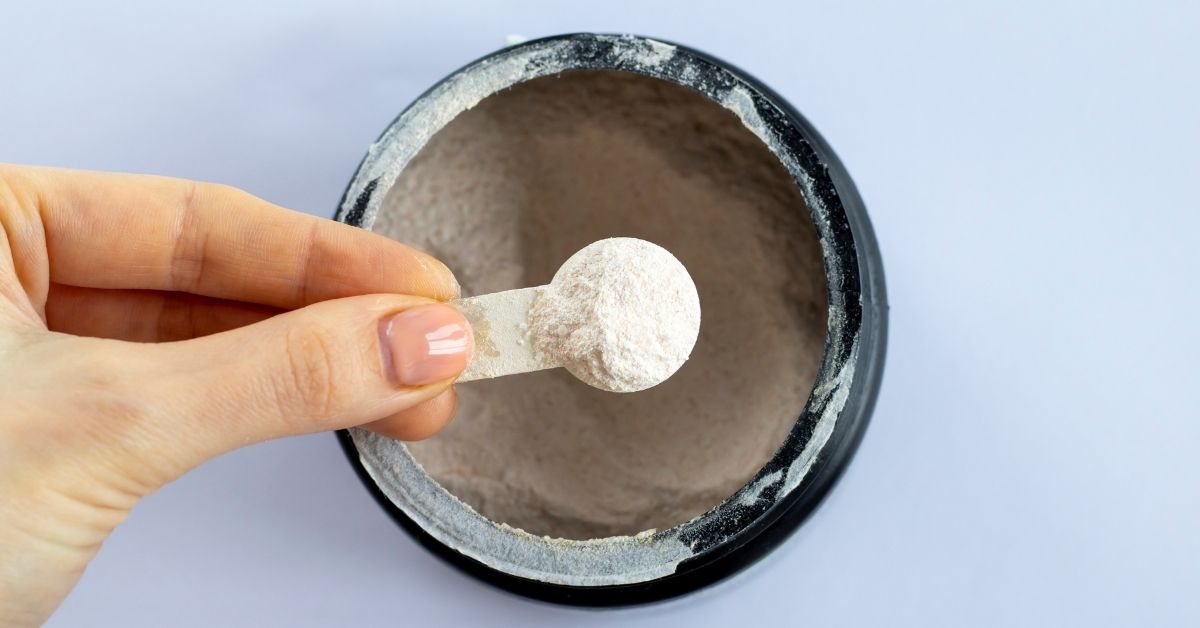
Creatine is one of the safest supplements there is. Side effects are no more common than with a placebo.
It raises the marker your GP uses to check your kidneys, without harming them. Tell your doctor you take it.
The 2026 cancer study was in mice. Nothing has changed for healthy people taking 3 to 5 grams a day.
Most medications and supplements have side effects. Some are significant. Creatine has long been thought to have one of the safest profiles of any supplement, but there have been concerns over the years: kidneys, bloating, hair loss. And the latest, from a study published in July 2026, is that it might help cancer spread.
So should you be worried?
I'm an emergency medicine doctor, and I take creatine myself. In this article I'll go through the creatine side effects that are real, the concerns that turned out to be something else, what the cancer study does and doesn't show, and the simplest way to take it.
Creatine Side Effects: What Actually Happens?
Before we get to the cancer study, some context. In 2025, a study pulled together the results of nearly 700 trials, comparing side effects in people taking creatine with people taking a placebo. There was no difference between the two groups. In other words, whatever people on creatine reported, people on the placebo reported just as often.
Two things do happen.
Your weight goes up. When creatine moves into your muscle cells, it pulls water in with it. In the first week or two, expect 1 to 2 kg (2 to 4 lb) on the scales. It's inside the muscle, so you don't typically see it. It stays for as long as you take creatine, and it goes when you stop.
I've taken creatine for two months, and for the first time since I started getting my health in order 18 months ago, my weight has gone up by 1 to 2 kilos. Some of that will be water, and some will likely be muscle growth because my strength training has improved since taking it.
Your stomach objects if you take too much at once. 10 grams in one go gives some people diarrhoea. 5 grams with a meal doesn't.
That's what we know for certain. There have been various concerns over the years, and most have been debunked. Let's look at some of the key ones.
Is It Bad for Your Kidneys?
In short, no. But it changes the test.
Creatinine is a waste product your muscles release, and your kidneys clear it into your urine. If your kidneys are struggling, it builds up in the blood. And doctors all over the world use it as a measure of kidney function.
But creatinine is also a by-product of creatine. If you take creatine, you make more creatinine, so more shows up in your blood. For years, that was thought to reflect kidney damage. But it isn't. When kidney function is measured another way, one that doesn't rely on creatinine, it's completely normal.
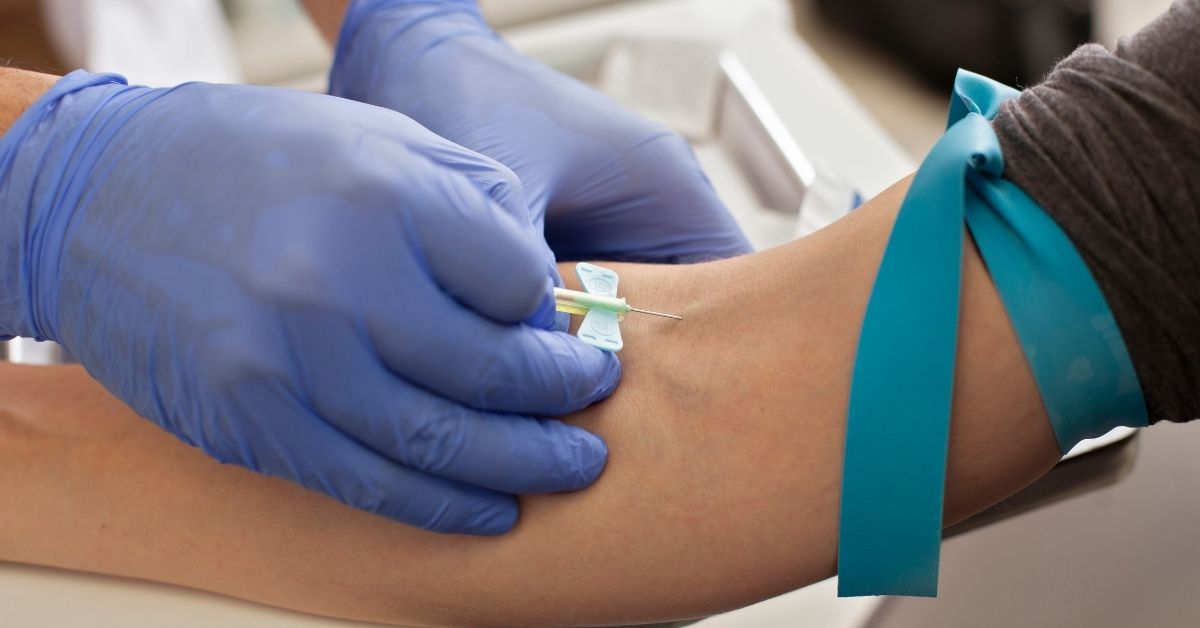
But it can still catch you out. So tell your GP you take creatine before any blood test. If a result comes back abnormal, there are other blood tests (such as cystatin C) that can be used instead, that do not rely on creatinine.
If you already have kidney disease, talk to your doctor before you start. It very likely does not cause harm, but the science is not clear.
What About Hair Loss?
The worry comes from one study in 2009. Twenty rugby players took creatine for three weeks, and a hormone linked to baldness, DHT, rose by 56%. But interestingly, nobody looked at their hair.
In 2025, researchers finally did. Thirty-eight men took 5 grams of creatine or a placebo every day for 12 weeks, and dermatologists measured their hair. There was no measurable change in DHT or the quality of their hair.
What About Cramps, Your Liver and the Rest?
Three more you may have heard. Again, none of them holds up.
Cramps and dehydration. The idea was that creatine pulls water into muscle and leaves the rest of your body short. Trials in athletes training in the heat found no more cramping and no more dehydration on creatine. If anything, slightly less. And you don't need to drink any more than usual.
Liver damage. No trial at any dose has found harm to the liver. That includes a trial that gave 553 people with Huntington's disease up to 40 grams a day, for up to four years, with regular blood tests throughout. Stomach upset was common at that dose. Serious problems were no more common than on placebo.
"It's a steroid." Creatine is made from three amino acids, your body produces about a gram of it a day on its own, and it doesn't act on your hormones. The confusion comes from where it's sold, next to the protein powders, and from the fact that it makes muscles look fuller. But it is not a steroid.
Want the complete framework?
Get "The Vital 3 Method" free guide - the system I use to build sustainable health habits across Sleep, Nutrition, and Exercise.
What About the Cancer Study?
So far so good, but in July 2026, a study in Nature Communications found that creatine helped cancer spread in mice.
Mice given creatine, then injected with cancer, ended up with more of it in their lungs, and they died sooner. The mechanism was really interesting and involved platelets, the cells that clot your blood. Creatine gets into the bone marrow, triggering genes that make stickier platelets. When cancer cells travel through the blood, stickier platelets cluster around them more readily and hide them from the immune system. But what about humans?
The researchers then gave creatine to 11 healthy volunteers, all in their twenties, at 20 grams a day for two weeks, and noticed their platelets became stickier.
That's the human evidence: eleven young healthy people, no comparison group, nobody with cancer, and four times the dose most people take. The authors call it preliminary, and it is.
We do have a trial in people with cancer. In 2017, 263 people with advanced cancer were given either creatine or a placebo, starting with the same 20 grams a day. It made no difference to how long they lived. And if creatine made platelets sticky enough to matter, thirty years of trials would have shown more clots and strokes. They haven't.
So, should you stop? If you're healthy and taking 3 to 5 grams a day, this study isn't a reason to. I haven't. If you have cancer, are being treated for it, or have had it, talk to your oncologist first.
I go through the study in more detail in the video below.
Is It Safe If I’m Over 40 or on Medication?
Yes. In fact, this is the group with the most evidence.
Thirty-two trials have given creatine to older adults, 1,232 people in total, some at 20 grams a day. Side effects were no different from placebo. In trials in older adults with type 2 diabetes, where kidney function was measured directly, it didn't change. Women get the same result as men, with no effect on hormones.
On medication. In 2026, researchers went through 132 papers looking for evidence that creatine interacts with prescription drugs. They didn't find a single human study showing one. The warnings you'll see in interaction checkers, for ibuprofen and blood pressure tablets, are theoretical, and come from the old assumption that creatine strains the kidneys.
Bipolar disorder. A handful of case reports link creatine to episodes of mania in people with bipolar disorder. It's thin evidence, but it's the one condition beyond kidney disease and cancer where I'd check with your specialist first.
How to Use Creatine Effectively
Creatine is cheap, well studied and safe. But it is only effective if you are strength training, so if you're not, start there. Then here's how to take it.
Take 3 to 5 grams of creatine monohydrate a day, with a meal. That's the dose the research uses, and it's all you need.
Skip the loading phase. That's the advice to take 20 grams a day for the first week. At 3 grams a day your muscles reach the same level in about four weeks, and loading is where the water weight, the stomach upset and the 2009 DHT rise all came from.
Don't cycle on and off. There's no evidence it does anything.
Stick to monohydrate. Creatine HCl, buffered creatine and anything sold as gentler on the stomach or the hair have never been shown to cause fewer side effects, and monohydrate is the one all the research was done on.
Buy a tested product. Look for Informed Sport in the UK or NSF Certified for Sport in the US. It means someone has checked it for contaminants and banned substances. A cheap certified monohydrate is as good as an expensive one.
If your stomach objects, split the dose in two.
The Full List, in One Place
| What you've heard | Real? | What the evidence shows | What to do |
|---|---|---|---|
| Water weight Yes | Yes | 1 to 2 kg (2 to 4 lb) in the first weeks, inside the muscle | Nothing. It isn't fat |
| Upset stomach, bloating At high doses | At high doses | 10 g in one go upsets some people. 5 g doesn't | Take 3 to 5 g with food |
| Kidney damage No | No | Filtration normal when measured directly. But the blood test reads higher | Tell your GP you take it |
| Hair loss No evidence | No evidence | A 2009 study raised a hormone. The 2025 trial that measured hair found no change | Nothing |
| Cramps, dehydration No | No | Trials in the heat found no increase. If anything, fewer | Nothing |
| Fat gain No | No | No trial has found it. The scales rise because of water | Nothing |
| Liver damage No | No | No trial at any dose has found it | Nothing |
| Cancer spreading Unknown in people | Unknown in people | Mouse study, July 2026. The largest trial in cancer patients found no effect on survival | Have or had cancer? Ask your oncologist |
| Poor sleep, anxiety, headaches No evidence | No evidence | Reported at the same rate as placebo | Take it in the morning if it bothers you |
Against the evidence from nearly 700 trials. Sources at the end of the article.
The Bottom Line
Creatine has two side effects: a kilogram or two of water, and an upset stomach if you take too much at once. The kidney scare is a blood test being misread, the cancer study is in mice, and hair loss has never been shown.
So take 3 to 5 grams a day with food, buy a tested product, and skip the loading.
And tell your GP you take it at your next blood test.
The Supplement Is the Easy Part
Creatine adds a little on top. The strength training is what builds the muscle, and the guide covers that, along with the habits that keep you doing it.
- The 9 highest-impact actions across Sleep, Nutrition, and Exercise
- A two-session-a-week strength routine that fits a busy life
- The Build Good Habits framework to make it stick
No spam. Unsubscribe anytime.
Frequently Asked Questions
Sources
Kreider RB, Gonzalez DE, Hines K, Gil A, Bonilla DA (2025). Safety of creatine supplementation: analysis of the prevalence of reported side effects in clinical trials and adverse event reports. Journal of the International Society of Sports Nutrition. https://pubmed.ncbi.nlm.nih.gov/40198156/
Almeida AS, da Silva LOD, Takahasi BNA, et al. (2026). Impact of creatine supplementation on kidney health: a systematic review and meta-analysis. International Urology and Nephrology. https://link.springer.com/article/10.1007/s11255-026-05287-x
Xie, Chen, Sun, et al.; Yang Y (2026). Exogenous creatine supplementation promotes tumor metastasis via megakaryocyte creatine kinase B-STAT5B signaling. Nature Communications. https://www.nature.com/articles/s41467-026-74639-z
Jatoi A, Steen PD, Atherton PJ, et al. (2017). A double-blind, placebo-controlled randomized trial of creatine for the cancer anorexia/weight loss syndrome (N02C4): an Alliance trial. Annals of Oncology. https://pubmed.ncbi.nlm.nih.gov/28475678/
Hersch SM, Schifitto G, Oakes D, et al. (2017). The CREST-E study of creatine for Huntington disease: a randomized controlled trial. Neurology. https://pubmed.ncbi.nlm.nih.gov/28701493/
Lak M, Forbes SC, Ashtary-Larky D, et al. (2025). Does creatine cause hair loss? A 12-week randomized controlled trial. Journal of the International Society of Sports Nutrition. https://doi.org/10.1080/15502783.2025.2495229
Candow DG, Ostojic SM, Chilibeck PD, et al. (2025). Creatine monohydrate supplementation for older adults and clinical populations. Journal of the International Society of Sports Nutrition. https://pubmed.ncbi.nlm.nih.gov/40673730/
Harris RC, Söderlund K, Hultman E (1992). Elevation of creatine in resting and exercised muscle of normal subjects by creatine supplementation. Clinical Science. https://pubmed.ncbi.nlm.nih.gov/1327657/
Ostojic SM (2026). Potential interactions between creatine supplementation and prescription drugs: a narrative review and evidence-mapping perspective. Current Therapeutic Research. https://pmc.ncbi.nlm.nih.gov/articles/PMC13584064/
Medical Disclaimer
This content is for informational purposes only and is not intended as medical advice. Always consult your healthcare provider before making changes to your health routine. What works for one person may not work for another — this is a roadmap, not a prescription.
About Dr. Eoghan Colgan
Emergency medicine physician researching what actually works for longevity. I interview world-class experts in health and longevity and test everything personally. Everything I teach is what I'm implementing myself. More about me →

Related Articles

The Safest Sleep Aid: What to Take (And What to Stop)
The Safest Sleep Aid: What Works (And What to Stop) Key Takeaways No pill solves […]
Types of Magnesium: What Actually Works (and What Doesn’t)
Types of Magnesium: What Actually Works (and What Doesn’t) Key Takeaways The form on the […]

Creatine Over 50: Who Should Take It (And Who Shouldn’t)
Creatine Over 50: Who Should Take It (And Who Shouldn’t) Key Takeaways Creatine works – […]