
Interviews and podcast
Conversations with leading scientists
I asked them all one thing: what makes the biggest difference?
Not the latest fad. Just what the research shows, from the people who did it. Every interview is free to watch or listen to.
<
 Sleep
Nutrition
Exercise
Supplements
Sleep
Nutrition
Exercise
Supplements
New here? Start with these four
One for each pillar: sleep, nutrition and exercise. And one on supplements, from the Harvard professor who led some of the world's largest supplement trials.
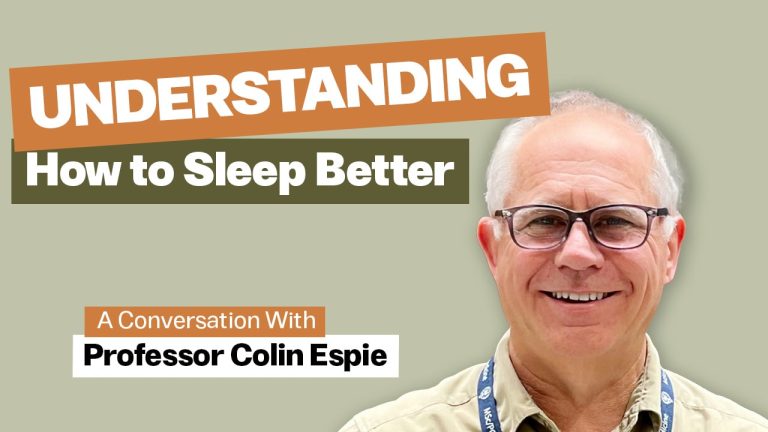 Sleep
Sleep
Sleep
Four decades of sleep medicine: how sleep works, the myths, and what helps.
Watch and read the notes →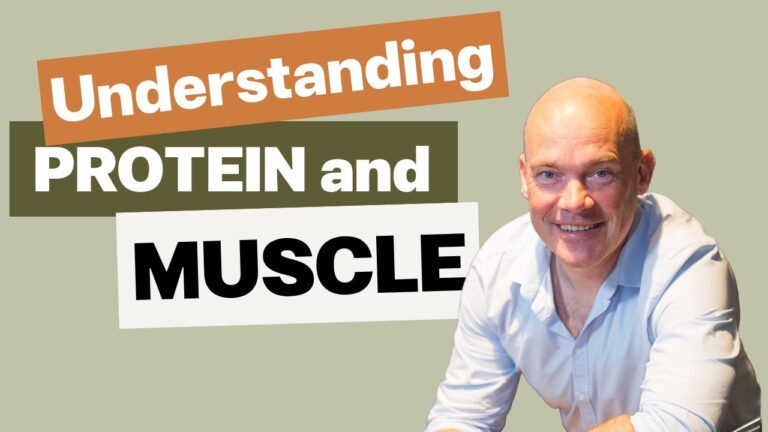 Nutrition
Nutrition
20 to 25 grams of protein per meal is the sweet spot.
Watch and read the notes →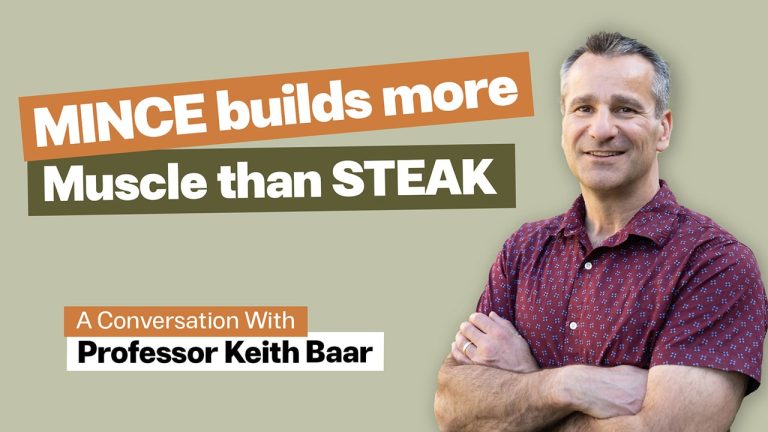 Exercise
Exercise
A single set, taken to failure, can bring a real benefit.
Watch and read the notes →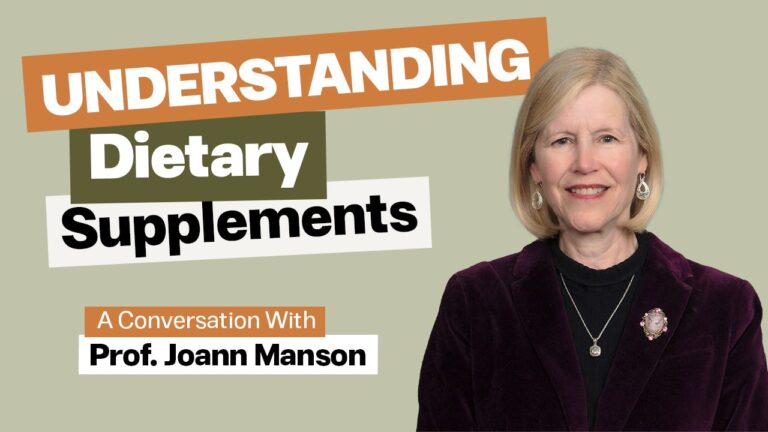 Supplements
Supplements
Most healthy adults don't need supplements. The research shows who does.
Watch and read the notes →All interviews
One thing worth knowing from each. Pick a topic to narrow them down.
Finding a chemical in your water isn't the same as it being dangerous.
Watch and read the notes →
While you cook, your kitchen air can hold more microplastic than the fish on your plate.
Watch and read the notes →
Your gut has more nerve cells than your spinal cord.
Watch and read the notes →20 to 25 grams of protein per meal is the sweet spot.
Watch and read the notes →
In trials, people on ultra-processed diets ate faster and gained more weight in just two weeks.
Watch and read the notes →
Losing just 3 to 5% of your body weight can significantly improve your liver.
Watch and read the notes →
In the DiRECT trial, 86% of people who lost 15 kg put their type 2 diabetes into remission.
Watch and read the notes →
Gut microbiome tests offer more curiosity than useful answers, for now.
Watch and read the notes →
The rise in obesity isn't just about willpower. It's shaped by the food around us.
Watch and read the notes →Most healthy adults don't need supplements. The research shows who does.
Watch and read the notes →
How your gut, your lifestyle and your sleep are connected.
Watch and read the notes →
Why willpower alone isn't enough, and what helps instead.
Watch and read the notes →Four decades of sleep medicine: how sleep works, the myths, and what helps.
Watch and read the notes →
The research behind the 5:2 diet, from the scientist whose work underpinned it.
Watch and read the notes →
How light sets your body clock, from the scientist who found a new light sensor in the eye.
Watch and read the notes →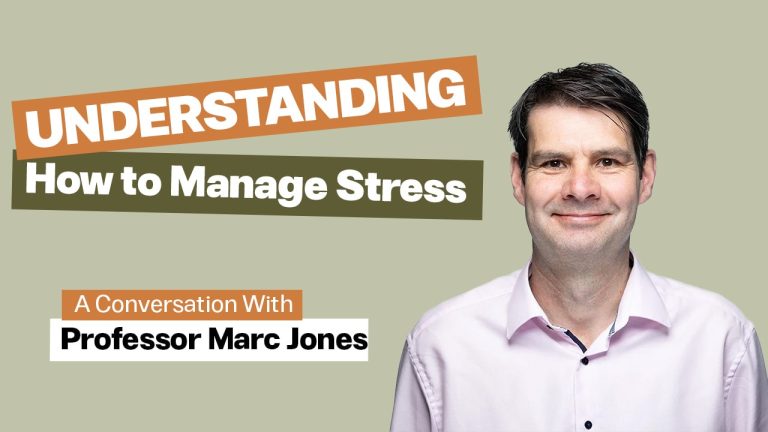
What long-term stress does to you, and practical ways to manage it.
Watch and read the notes →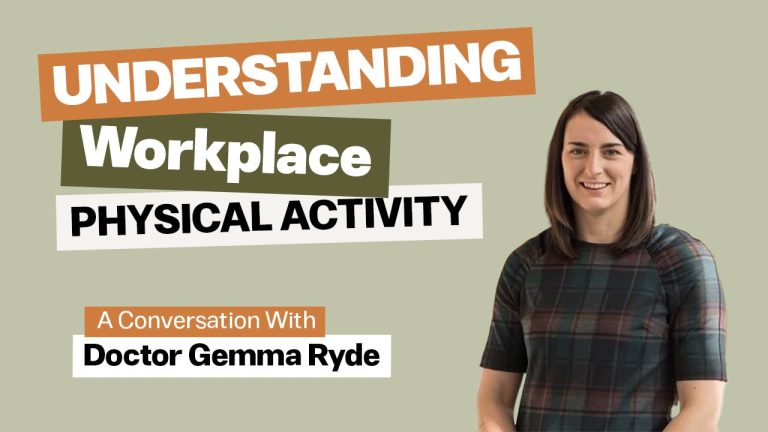
Why work is an ideal place to move more, and a hard one.
Watch and read the notes →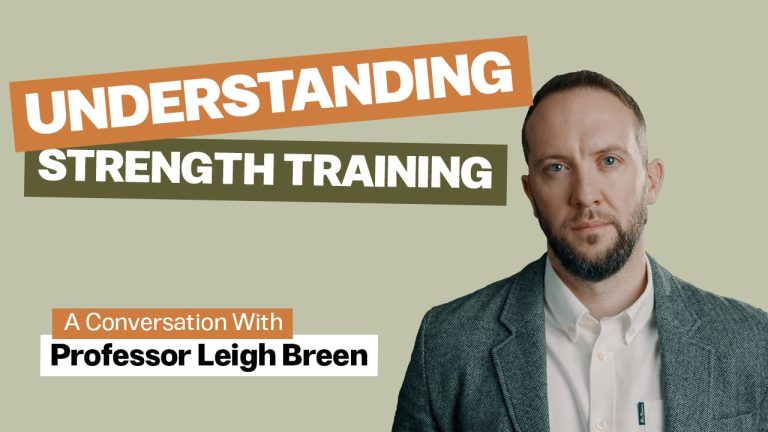
After 40, we lose up to 1% of our muscle a year unless we do something about it.
Watch and read the notes →A single set, taken to failure, can bring a real benefit.
Watch and read the notes →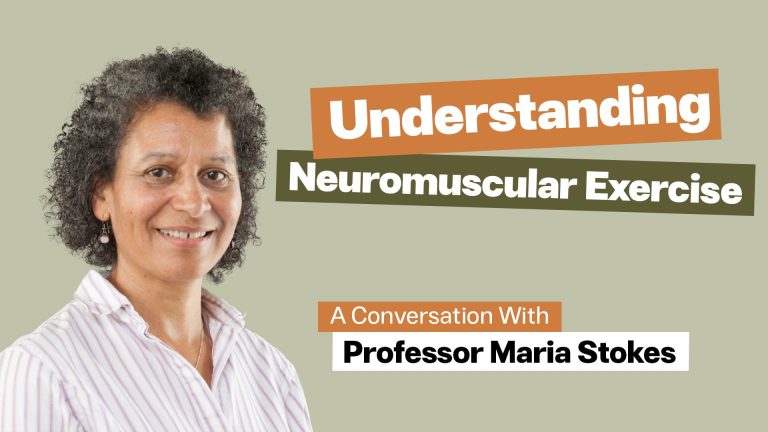
Static stretching before exercise doesn't prevent injuries. A dynamic warm-up does.
Watch and read the notes →
Start exercising in middle age and your risk can match someone who's always been active.
Watch and read the notes →
Two 20-second sprints in a 10-minute session can bring real health benefits.
Watch and read the notes →
Different diets get similar results. Sticking with one is what counts.
Watch and read the notes →
Popular stress tests, like saliva cortisol, don't reliably show how stressed you are.
Watch and read the notes →Want the short version?
These conversations, and the research behind them, informed the Vital 3 Method. The free guide explains it.