
Episode Overview
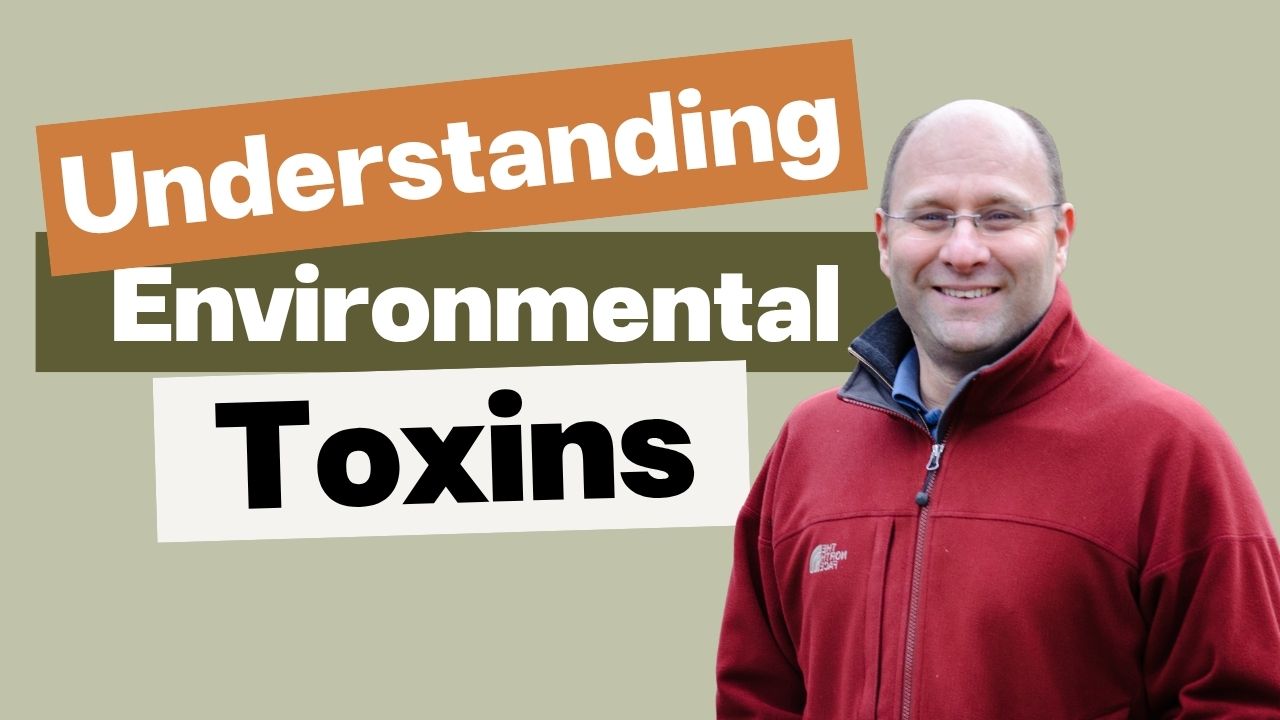
Professor Alistair Boxall, an environmental scientist who has monitored chemical pollution across more than 230 rivers in over 100 countries, helps us separate genuine risk from needless worry when it comes to environmental toxins. Prof. Boxall explains why detecting a chemical is not the same as it being dangerous, what really slips through our drinking water treatment, and why some of the biggest threats — like antimicrobial resistance and pet flea treatments — receive far less attention than they should. Rather than fuelling fear, this interview offers a calm, evidence-based framework for understanding what matters and the practical steps that genuinely reduce your exposure. It's a refreshing antidote to the alarming headlines, grounded in decades of real-world monitoring.
Key 'Environmental Toxins' Insights:
Detection Isn't Danger: Modern instruments can detect hundreds or thousands of chemicals in a single water sample, but only a tiny fraction occur at levels capable of causing harm. Increasingly sensitive testing scares people without necessarily revealing real risk.
Tap Water Often Beats Bottled: UK drinking water treatment is genuinely good, removing most river contaminants. Bottled water carries its own problems — plastic additives that leach in, and far higher microplastic levels than tap water.
The Three Biggest Concerns: Of all the contaminants Prof. Boxall studies, PFAS ("forever chemicals"), antibiotics driving antimicrobial resistance, and aquatic insecticides worry him most — not the microplastics that dominate headlines.
Antimicrobial Resistance Is a Silent Pandemic: Antibiotics detected almost everywhere in the global environment may be selecting for resistant bacteria that re-enter human populations. AMR was linked to an estimated 1.2 million deaths globally in 2019.
Pet Flea Treatments Are an Overlooked Threat: With 22 million cats and dogs in the UK now routinely treated monthly, highly toxic insecticides like imidacloprid are entering rivers and harming the invertebrates that keep waterways healthy. Environmental risk isn't even assessed in their approval.
Microplastics Are Over-Hyped: While not harmless, much of the alarming microplastics-and-health coverage rests on weak science. Robust research is still needed before we know whether they truly pose a risk to human health.
Lead Piping Still Matters in Older Homes: Houses built before the 1970s may still have lead pipes. Running the tap each morning to clear water that sat overnight significantly reduces chronic exposure.
Want the complete framework?
Get The Vital 3 Method guide free — the evidence-based system for sustainable health after 40.
Expert 'Environmental Toxins' Takeaways
Reframe scary headlines by remembering that detecting a chemical says nothing about whether it's present at a harmful level
Reconsider bottled water — it offers no proven safety advantage over UK tap water and carries more microplastics
If you live in a pre-1970s home, run the tap each morning before drinking to flush water that has been sitting in potentially lead-containing pipes
Research any water filter before buying — different filters remove different things (lead, PFAS, hardness), so match the filter to your actual concern
Wash or peel fruit and vegetables, since chemical residues concentrate in the peel rather than the flesh
Avoid swimming in rivers for a few days after heavy rainfall, when storm overflows discharge sewage and bacteria; check live overflow maps where available
Choose locally sourced, varied food and reduce reliance on factory-farmed products to lower both your exposure and the wider environmental chemical burden
Think before applying pet flea treatments routinely — consider whether monthly preventive dosing is necessary, as these chemicals migrate into the environment after use
Walk or cycle instead of driving where you can, reducing traffic-related air pollution that contributes to the UK's "pollute-ome"
About Our Guest
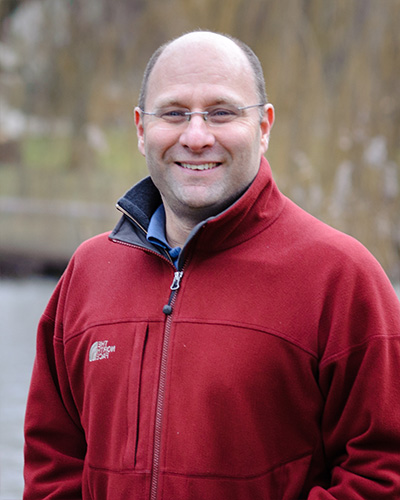
Professor Alistair Boxall is a Professor of Environmental Science specialising in the occurrence, fate, and effects of chemical contaminants in the natural environment. His research has included global monitoring of pharmaceutical pollution across more than 230 rivers in 104 countries, alongside pioneering work on PFAS, antimicrobial resistance, and the emerging environmental risks of pet flea treatments. His work informs how scientists and regulators understand the real-world risks posed by environmental toxins.
Watch the 'Environmental Toxins' Interview
'Environmental Toxins' Resources
Key Research Discussed:
- Pharmaceutical Pollution of the World's Rivers (PNAS, 2022) — Prof. Boxall's global study of 258 rivers across 104 countries, showing the worst pollution in low- and middle-income regions.
https://www.pnas.org/doi/10.1073/pnas.2113947119 - Trifluoroacetic Acid (TFA) in UK Surface Waters (University of York / Fidra, 2025) — Found TFA at 98% of sites tested, with Glasgow's River Kelvin the second-highest level ever recorded globally.
https://www.york.ac.uk/news-and-events/news/2025/research/forever-chemicals-river/
Relevant Organisations:
- Environment Agency — Monitors the ecological and chemical status of England's rivers.
https://www.gov.uk/government/organisations/environment-agency - Drinking Water Inspectorate — Regulates UK drinking water quality; consumer advice on tap water, filters, and lead.
https://www.dwi.gov.uk/ - Food Standards Agency — Monitors food for chemical contaminants against safe levels.
https://www.food.gov.uk/ - National Storm Overflow Hub (Water UK) — Live map of storm overflow discharges; check before river swimming after rain.
https://www.streamwaterdata.co.uk/pages/the-national-storm-overflow-hub
It's not about willpower
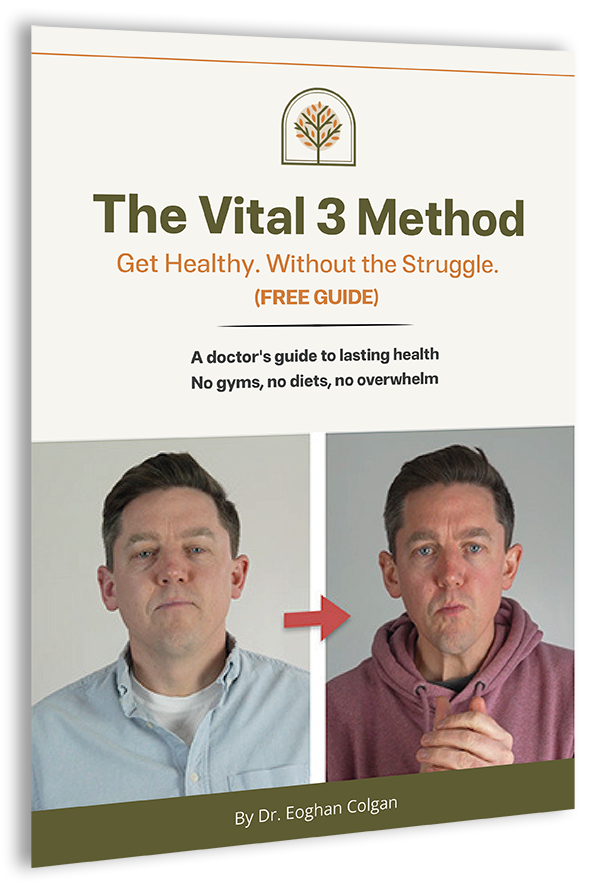
A doctor's guide to healthy living and making it stick
What's inside
- Why healthy living matters for you and your loved ones
- The actions that make a difference - not 100 biohacks that don't!
- My exact program that helped me lose 14kg in weight, reverse my metabolic age, and feel in the best shape of my life
- Tips on using AI to supercharge your lifestyle changes
I will not share your details with any third party
More conversations with leading scientists
Browse all the interviews by topic: sleep, nutrition, exercise and more.