
Podcast: Play in new window | Embed
Episode Overview
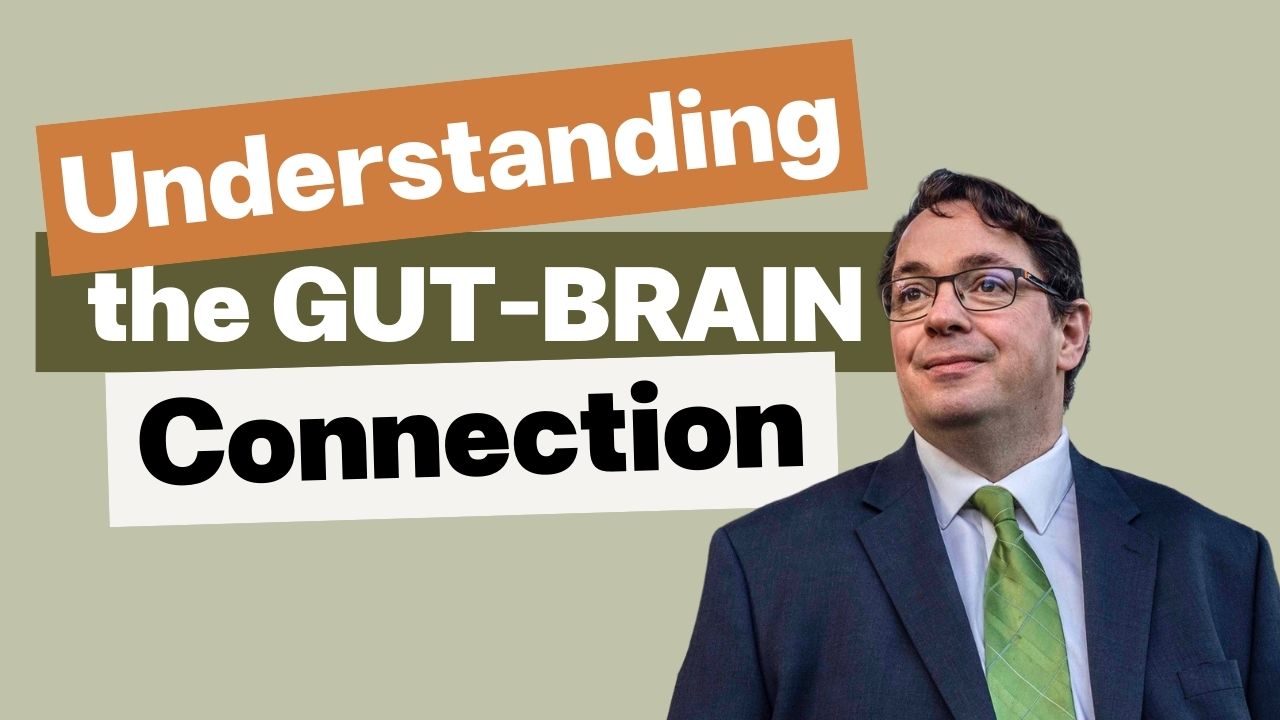
Professor John Cryan — Vice President for Research at University College Cork and a pioneer of microbiome-gut-brain science — reveals how trillions of gut microbes directly influence your mood, stress resilience, and long-term brain health. From coining the term "psychobiotic" to leading research linking gut bacteria to social behaviour and neurodegenerative disease, Prof. Cryan explains what the gut brain connection means for anyone looking to support their mental health and healthy aging through what they eat.
Key 'Gut-Brain Connection' Insights:
Your Gut Has Its Own Brain: The enteric nervous system contains more nerve cells than your spinal cord. This "second brain" sends signals directly to your brain via the vagus nerve, influencing how you feel moment to moment.
Three Pathways Link Gut to Brain: Gut bacteria communicate with the brain through metabolites that cross the blood-brain barrier, immune cells that signal to the brain, and hormones including GLP-1.
Your Microbiome Follows a Daily Rhythm: UCC research revealed that the gut microbiome shifts across the day with circadian rhythms. When the microbiome was depleted, normal daily stress regulation collapsed entirely — suggesting when you eat may matter as much as what.
Stress Reshapes Your Gut — And Vice Versa: Chronic stress alters gut bacteria composition, and those altered bacteria amplify the stress response. Feeding stressed students a diet rich in fibre and fermented foods dampened their stress response.
Parkinson's May Begin in the Gut: In many cases, gut symptoms like constipation appear years before brain symptoms. Pathological changes may travel from the gut to the brain via the vagus nerve, opening new avenues for early detection.
Social Behaviour Depends on Gut Microbes: Mice without gut microbes lose interest in social interaction entirely. When Prof. Cryan's team transplanted microbes from social anxiety patients into healthy mice, those mice developed elements of social anxiety — a causal link.
Most Commercial Probiotics Are Untested: The majority of probiotic products have never been tested for clinical benefit, and some don't survive stomach acid. Always ask whether the specific strain has published evidence behind it.
Want the complete framework?
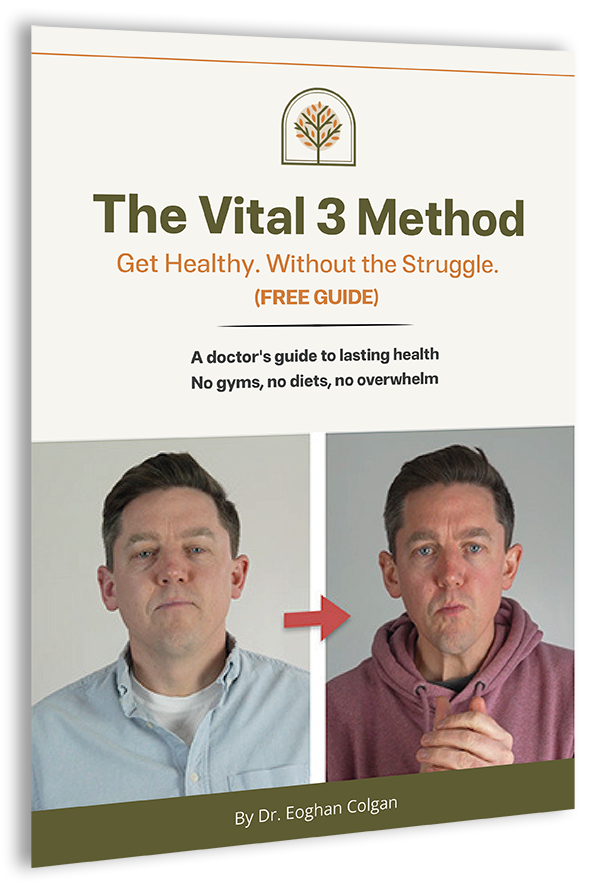
Get The Vital 3 Method guide free — the evidence-based system for sustainable health after 40.
Expert 'Gut-Brain Connection' Takeaways
- Prioritise dietary fibre — it feeds beneficial gut bacteria that produce short-chain fatty acids critical for gut lining health and brain signalling
- Increase colour and diversity in your diet — polyphenols in berries, green tea, dark chocolate, and onions are broken down by microbes into brain-beneficial chemicals
- Add fermented foods daily — kefir, kombucha, sauerkraut, and fermented vegetables introduce beneficial bacteria affordably
- Reduce ultra-processed food, artificial sweeteners, and emulsifiers — all shown to negatively impact microbiome diversity
- Scrutinise probiotic supplements — demand published evidence for the specific strain, not general marketing claims
- Support breastfeeding and minimise unnecessary antibiotics in early life — the microbiome largely settles by age two to four, and early disturbances can have lasting effects
- Protect your sleep and circadian rhythms — sleep disturbances and jet lag harm your microbiome and disrupt its role in daily stress regulation
- Consider getting a dog — emerging research links pet ownership to improved microbiome diversity and better mental health, with recent studies suggesting the benefit is mediated through the microbiome
About Our Guest
Professor John Cryan is Vice President for Research and Innovation at University College Cork and a Principal Investigator at APC Microbiome Ireland. A stress neurobiologist who co-coined the term "psychobiotic" and co-authored The Psychobiotic Revolution, his pioneering research on the gut brain connection has shaped our understanding of how gut bacteria influence mood, stress, social behaviour, and brain health across the lifespan.

Watch the 'Gut-Brain Connection' Interview
'Gut-Brain Connection' Resources
Key Research Discussed:
- Psychobiotic Diet and Stress Study — Berding, Cryan, Dinan et al. (2022), Molecular Psychiatry. Four-week psychobiotic diet (high fibre + fermented foods) reduced perceived stress in healthy adults
- Microbiota Is Essential for Social Development in the Mouse — Desbonnet, Clarke, Shanahan, Dinan & Cryan (2014), Molecular Psychiatry. First study showing germ-free mice display social deficits
- Social Interaction and the Amygdala in Microbiome-Deficient Mice — Stilling, Moloney et al. (2018), eLife. Molecular basis for how the microbiome is crucial for normal social behaviour
- Gut Microbiota Composition Correlates with Diet and Health in the Elderly — Claesson, Jeffery, O'Toole et al. (2012), Nature. Landmark ELDERMET study of 178 elderly subjects linking dietary diversity to microbiome diversity and health
- MAEVE Polyphenol Trial — Ongoing study with University of Ulster and UCLA on berry polyphenols in people at risk for Alzheimer's
Relevant Resources
- APC Microbiome Ireland — The UCC research centre leading gut brain connection research
- The NiMe Diet: Scientific Principles and Recipes — Free online cookbook by Anissa Armet and Prof. Jens Walter (UCC) based on ancestral dietary patterns
Books Mentioned:
- The Psychobiotic Revolution by Scott C. Anderson, John F. Cryan and Ted Dinan (National Geographic Press, 2017)
It's not about willpower
A doctor's guide to healthy living and making it stick
What's inside
- Why healthy living matters for you and your loved ones
- The actions that make a difference - not 100 biohacks that don't!
- My exact program that helped me lose 14kg in weight, reverse my metabolic age, and feel in the best shape of my life
- Tips on using AI to supercharge your lifestyle changes
I will not share your details with any third party
Additional Interviews
Are you interested in other expert interviews on health, wellness and longevity topics? Click on the links below to discover more.
Sleep
The most under-rated life pillar of all!
Exercise
The foundation of lasting health
Nutrition
The fuel that shapes your wellbeing