
Episode Overview
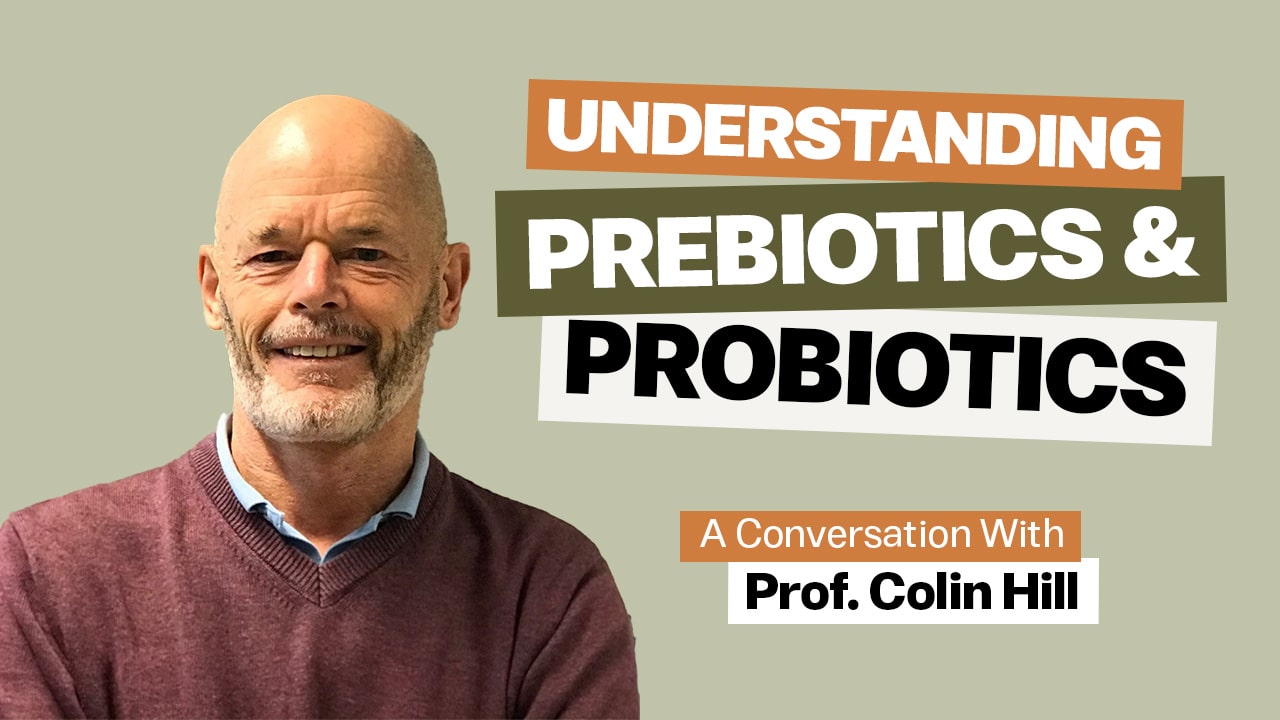
In this comprehensive discussion, Professor Colin Hill, a leading microbiologist from University College Cork, demystifies the science of probiotics and prebiotics and their crucial role in gut microbiome health. With 30 years of research experience, Professor Hill explains how these microscopic organisms function as a "virtual organ" in our bodies, influencing everything from digestion and immunity to longevity and mental wellbeing. This evidence-based conversation cuts through marketing hype to deliver practical, science-backed guidance on fermented foods, supplementation, and maintaining a healthy gut microbiome throughout life.
Key 'Probiotics and Prebiotics' Insights:
- Embrace fermented foods: Incorporate yoghurt, kefir, kimchi, sauerkraut, kombucha, and aged cheeses into your diet regularly for their live microbe content and nutritional benefits.
- Eat high-fibre foods: Include root vegetables, dates, figs, and other complex carbohydrates that feed your existing beneficial gut bacteria.
- Follow Mediterranean diet principles: Eat mostly plants, increase fruit and vegetable intake, reduce processed foods, and moderate meat consumption—advice that benefits both you and your microbiome.
- Choose supplements strategically: If supplementing, look for products with high CFU counts (at least 10⁹ or one billion), multiple bacterial strains, and reputable manufacturers. For specific health conditions, research which strains have clinical evidence.
- Be thoughtful about antibiotics: Take prescribed antibiotics when necessary, but don't avoid them to protect your microbiome—your microbiome will recover. Consider probiotics if you experience antibiotic-associated diarrhoea.
- Focus on dietary diversity: Vary your food choices to support a diverse microbiome ecosystem. "You have the microbiome you deserve" based on your lifestyle choices.
- Don't rush microbiome testing: Unless you have specific health concerns, microbiome testing currently offers more curiosity value than actionable health decisions. Focus on the fundamentals of diet and lifestyle first.
- Exercise regularly: Physical activity positively influences gut microbiome diversity and overall gut health, adding another reason to maintain an active lifestyle.
Want the complete framework?
Get The Vital 3 Method guide free — the evidence-based system for sustainable health after 40.
Expert 'Probiotics and Prebiotics' Takeaways
- Avoid buying ultra processed foods in the first place—if they're not in your home, you won't consume them in moments of convenience
- Skip the ultra processed food aisles in supermarkets entirely and shop at local markets where fresh fruits and vegetables are more prominent
- Read ingredient lists on packaged foods—a long list of unfamiliar ingredients indicates ultra processed food, and fewer additives is always better
- Fill your plate with whole foods first, as these are satiating and naturally reduce your consumption of ultra processed alternatives
- Eat slowly to give your body time to register satiety signals, countering the fast eating rate that ultra processed foods encourage
- Avoid eating alone, as solitary eating tends to involve more ready-to-eat ultra processed foods consumed mindlessly
- Learn to cook and involve the whole family—regaining cooking skills is one of the most effective ways to reduce ultra processed food dependence
- Teach children to read ingredient lists as a form of food education, helping them navigate the ultra processed food environment for life
About Our Guest
Professor Colin Hill is a microbiologist based at University College Cork in the south of Ireland, where he has conducted research and taught for 30 years. His work focuses on the microbiome, probiotics, prebiotics, and postbiotics, contributing significantly to our understanding of how these microscopic ecosystems influence human health. Professor Hill is recognised internationally for his expertise in gut microbiome science and has worked extensively with industry whilst maintaining independent scientific perspectives. His research explores the complex relationships between gut bacteria and health outcomes, from digestion and immunity to aging and longevity.
Visit Professor Hill's Academic Profile

Watch the 'Probiotics and Prebiotics' Interview
'Gut Microbiome' Resources
Key research and concepts discussed in the episode:
- Nature Metabolism - Gut Microbiome and Healthy Ageing Study - Research showing unique gut microbiome patterns linked to healthy ageing and increased longevity
- Jeffrey Gordon's Twin Study on Obesity and the Microbiome - Landmark research demonstrating how microbiome composition affects weight gain
- NiMe Diet (New Ancestral Diet) - Developed by Professor Jens Walter, based on Papua New Guinea dietary patterns to promote beneficial gut bacteria
- NHANES Dietary Study Analysis - Large-scale American nutritional survey linking live microbe consumption to health outcomes
- Michael Pollan's Food Rules - Referenced principle: "Eat food, not too much, mostly plants"
- International Scientific Association for Probiotics and Prebiotics (ISAPP) - Consensus definitions for probiotics, prebiotics, synbiotics, and postbiotics
It's not about willpower
A doctor's guide to healthy living and making it stick
What's inside
- Why healthy living matters for you and your loved ones
- The actions that make a difference - not 100 biohacks that don't!
- My exact program that helped me lose 14kg in weight, reverse my metabolic age, and feel in the best shape of my life
- Tips on using AI to supercharge your lifestyle changes
I will not share your details with any third party
Additional Interviews
Are you interested in other expert interviews on health, wellness and longevity topics? Click on the links below to discover more.
Sleep
The most under-rated life pillar of all!
Exercise
The foundation of lasting health
Nutrition
The fuel that shapes your wellbeing