
Podcast: Play in new window | Embed
Episode Overview
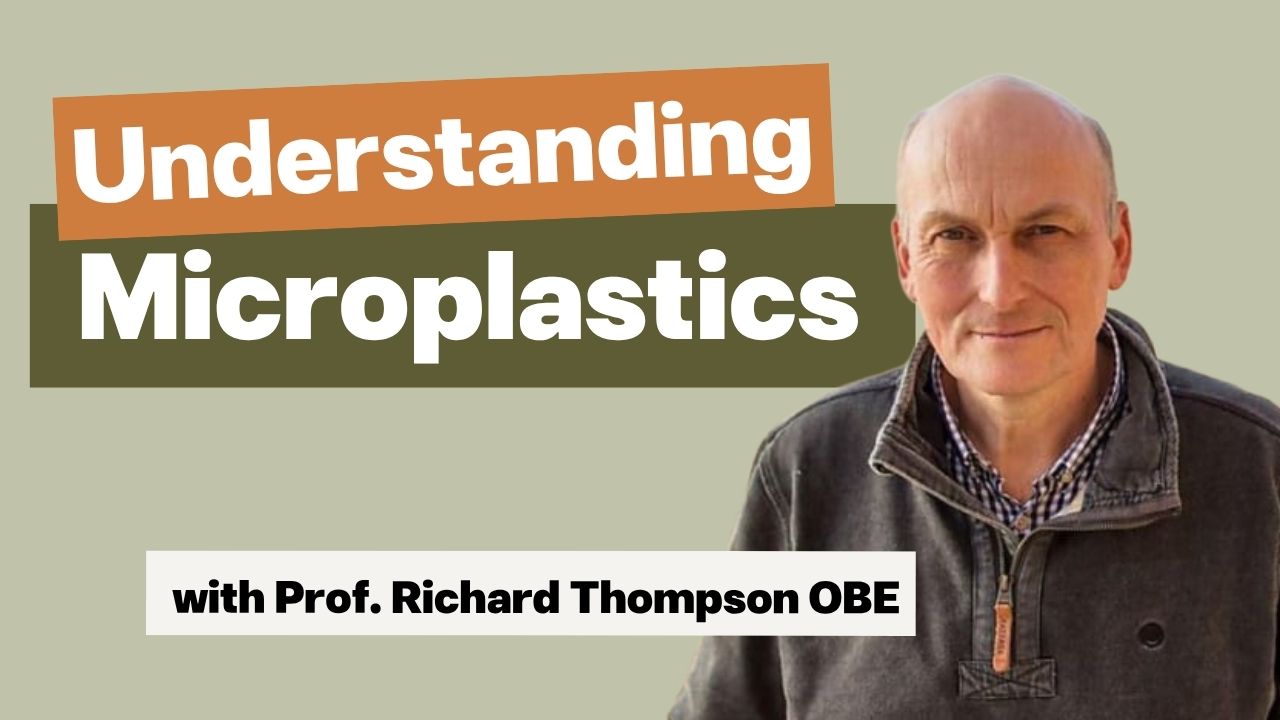
Professor Richard Thompson — the marine biologist who coined the term "microplastics" — reveals what three decades of research have uncovered about these microscopic particles now found in our food, water, and air. Prof. Thompson explains how microplastics move from the environment into our bodies, why the chemicals associated with them pose a growing threat to human health, and what practical steps we can all take to reduce our exposure.
Key 'Microplastics' Insights:
The Scientist Who Named the Problem: Prof. Thompson published the first paper using the term "microplastics" in Science in 2004. There are now over 7,000 scientific publications on the topic.
Microplastics Are Literally Everywhere: Microscopic plastic particles have been found on every continent, 4,000 metres deep in the ocean, and in Arctic ice cores — often in greater quantities in remote locations than near major cities.
Your Kitchen Air Is a Bigger Source Than Your Fish Supper: The quantity of microplastics in your kitchen air during meal preparation exceeds the amount present in the fish itself. Household dust is a major source of human exposure.
16,000 Chemicals, 4,000 Potentially Harmful: Over 16,000 chemicals are associated with plastic production, more than 4,000 of which are known to be potentially harmful — yet very few are regulated.
The Health Costs May Equal the Entire Plastic Market: Research suggests that global health costs from plasticizer chemicals alone could match the entire annual value of the plastics industry.
Today's Plastic Items Are Tomorrow's Microplastics: Even if all pollution stopped today, microplastic levels would continue rising for decades as existing large items fragment into smaller pieces.
Want the complete framework?
Get The Vital 3 Method guide free — the evidence-based system for sustainable health after 40.
Expert 'Microplastics' Takeaways
- Reduce single-use plastic where possible — carry a refillable bag, water bottle, and coffee cup
- Drink tap water instead of bottled water where it's safe to do so
- Refuse unnecessary plastic packaging in shops, restaurants, and bars — consumer resistance sends a powerful market signal
- Check which plastics your local authority actually accepts for recycling, as this varies significantly between areas
- Wash synthetic clothes less frequently — half of all fibre emissions come from everyday wear rather than laundering
- Maintain car tyres properly, as each set releases roughly 4–5kg of microplastic dust into the environment before replacement
- Recognise that individual changes alone cannot solve this — the biggest impact comes from better product design, stronger policy, and industry accountability
About Our Guest
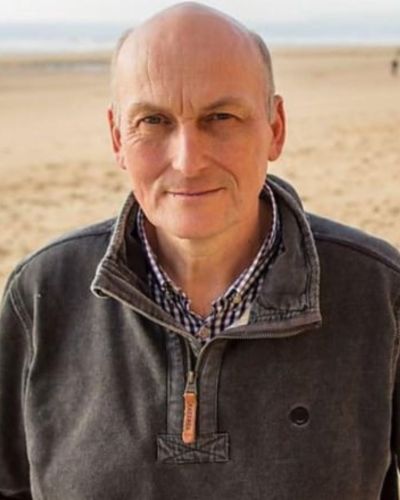
Professor Richard Thompson OBE is a marine biologist at the University of Plymouth who coined the term "microplastics" in his landmark 2004 paper in Science. He is co-coordinator of the Scientists' Coalition for an Effective Plastics Treaty, a network of 400 scientists bringing independent evidence to global policy negotiations.
Watch the 'Gut-Brain Connection' Interview
'Microplastics' Resources
Key Research Discussed:
- Thompson et al. 2004, "Lost at Sea: Where Is All the Plastic?" (Science) — The landmark paper coining the term "microplastics": https://www.science.org/doi/10.1126/science.1094559
- Thompson et al. 2024, "Twenty Years of Microplastic Pollution Research — What Have We Learned?" (Science) — The 20-year review paper: https://www.science.org/doi/10.1126/science.adl2746
Relevant Organisations:
- Scientists' Coalition for an Effective Plastics Treaty: https://ikhapp.org/scientistscoalition/
- Marine Conservation Society: https://www.mcsuk.org/
It's not about willpower
A doctor's guide to healthy living and making it stick
What's inside
- Why healthy living matters for you and your loved ones
- The actions that make a difference - not 100 biohacks that don't!
- My exact program that helped me lose 14kg in weight, reverse my metabolic age, and feel in the best shape of my life
- Tips on using AI to supercharge your lifestyle changes
I will not share your details with any third party
Additional Interviews
Are you interested in other expert interviews on health, wellness and longevity topics? Click on the links below to discover more.
Sleep
The most under-rated life pillar of all!
Exercise
The foundation of lasting health
Nutrition
The fuel that shapes your wellbeing