
Podcast: Play in new window | Embed
Episode Overview
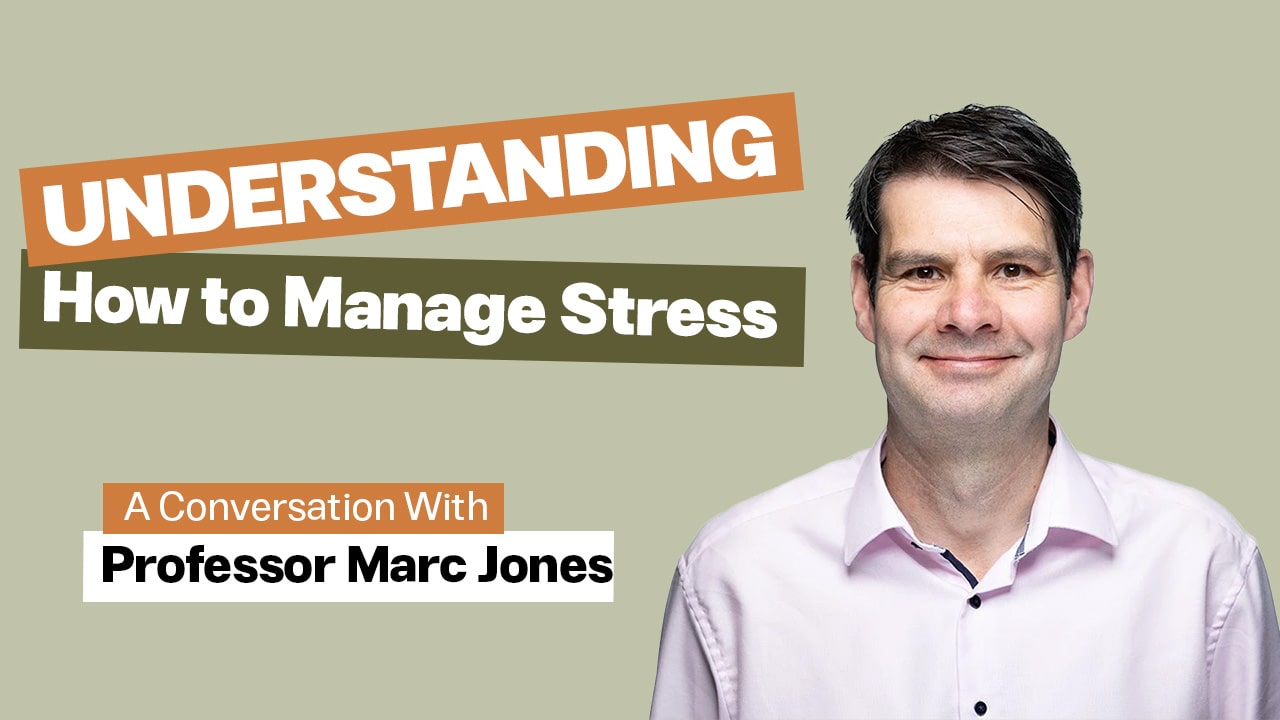
In this comprehensive conversation, Professor Mark Jones, a leading stress researcher from Manchester Metropolitan University, explores the intricate science of how to manage stress effectively in modern life. With extensive research experience in stress psychology and cardiovascular responses, Prof. Jones provides evidence-based insights into chronic stress, challenge versus threat responses, and practical strategies for building resilience in both personal and professional settings.
Key Insights on How to Manage Stress:
- The Science of Stress Responses: Understanding how our brain appraises threats and demands, and why the same situation can affect people differently based on their perception of control and resources
- Challenge vs. Threat States: How your cardiovascular system reveals whether you're thriving under pressure or struggling, and what this means for long-term health outcomes
- Modern Life Stressors: Why the pace of contemporary living and technology create unique challenges for stress management, and how social media affects our perception of coping abilities
- The Role of Control: How perceptions of control over situations dramatically influence stress responses, and practical techniques for building this sense of agency
- Workplace Stress Management: Evidence-based strategies for managing chronic work stress, including the importance of job crafting and social connections
- Lifestyle Foundations: The crucial role of sleep, nature engagement, and social support in preparing your body and mind to handle stress more effectively
Want the complete framework?
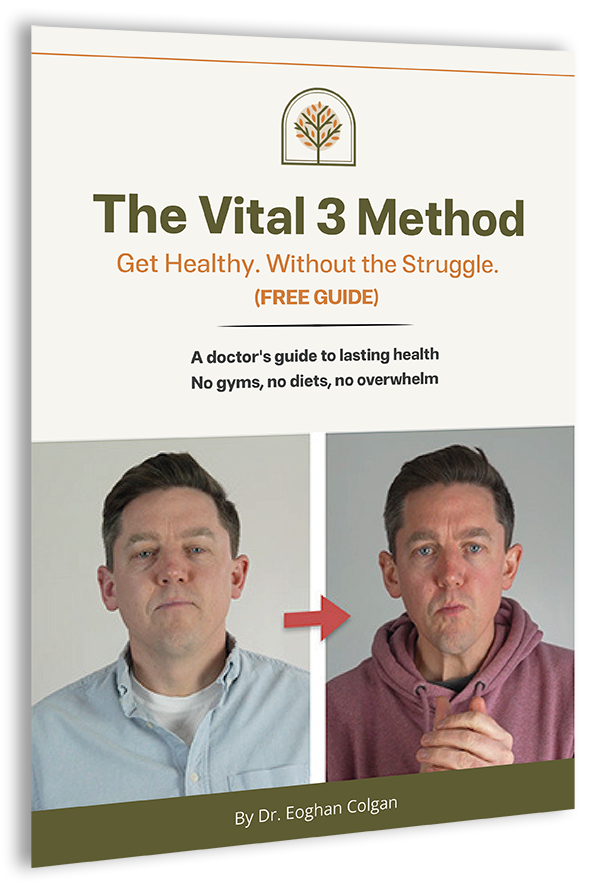
Get The Vital 3 Method guide free — the evidence-based system for sustainable health after 40.
How to Manage Stress - key Takeaways:
- Identify your specific stressors by writing them down to increase self-awareness and processing
- Use the control mapping technique to visualise which factors you can influence and which are outside your control
- Prioritise activities you enjoy during busy periods—paradoxically, this is when you need them most
- Focus on building confidence in your ability to execute skills and regulate emotions, not just technical competence
- Create clear boundaries between work and home life, especially when working remotelyInvest in social connections at work by having conversations that aren't solely about work tasks
- Maintain consistent sleep patterns and spend time in nature to build your stress resilience baseline
- Practice breathing regulation techniques like mindfulness or meditation to develop in-the-moment coping skills
About Our Guest
Professor Mark Jones is a leading researcher in stress psychology at Manchester Metropolitan University. His work focuses on the physiological and psychological aspects of stress responses, with particular expertise in cardiovascular reactivity and challenge-threat theory. Prof. Jones has conducted extensive research on stress management in demanding occupations including healthcare, sport, and military settings. His practical approach to stress research has led to the development of evidence-based interventions for building resilience and managing chronic stress in various professional contexts.

Watch the 'How to Manage Stress' Interview
It's not about willpower
A doctor's guide to healthy living and making it stick
What's inside
- Why healthy living matters for you and your loved ones
- The actions that make a difference - not 100 biohacks that don't!
- My exact program that helped me lose 14kg in weight, reverse my metabolic age, and feel in the best shape of my life
- Tips on using AI to supercharge your lifestyle changes
I will not share your details with any third party
Additional Interviews
Are you interested in other expert interviews on health, wellness and longevity topics? Click on the links below to discover more.
Sleep
The most under-rated life pillar of all!
Exercise
The foundation of lasting health
Nutrition
The fuel that shapes your wellbeing