
Podcast: Play in new window | Embed
Episode Overview
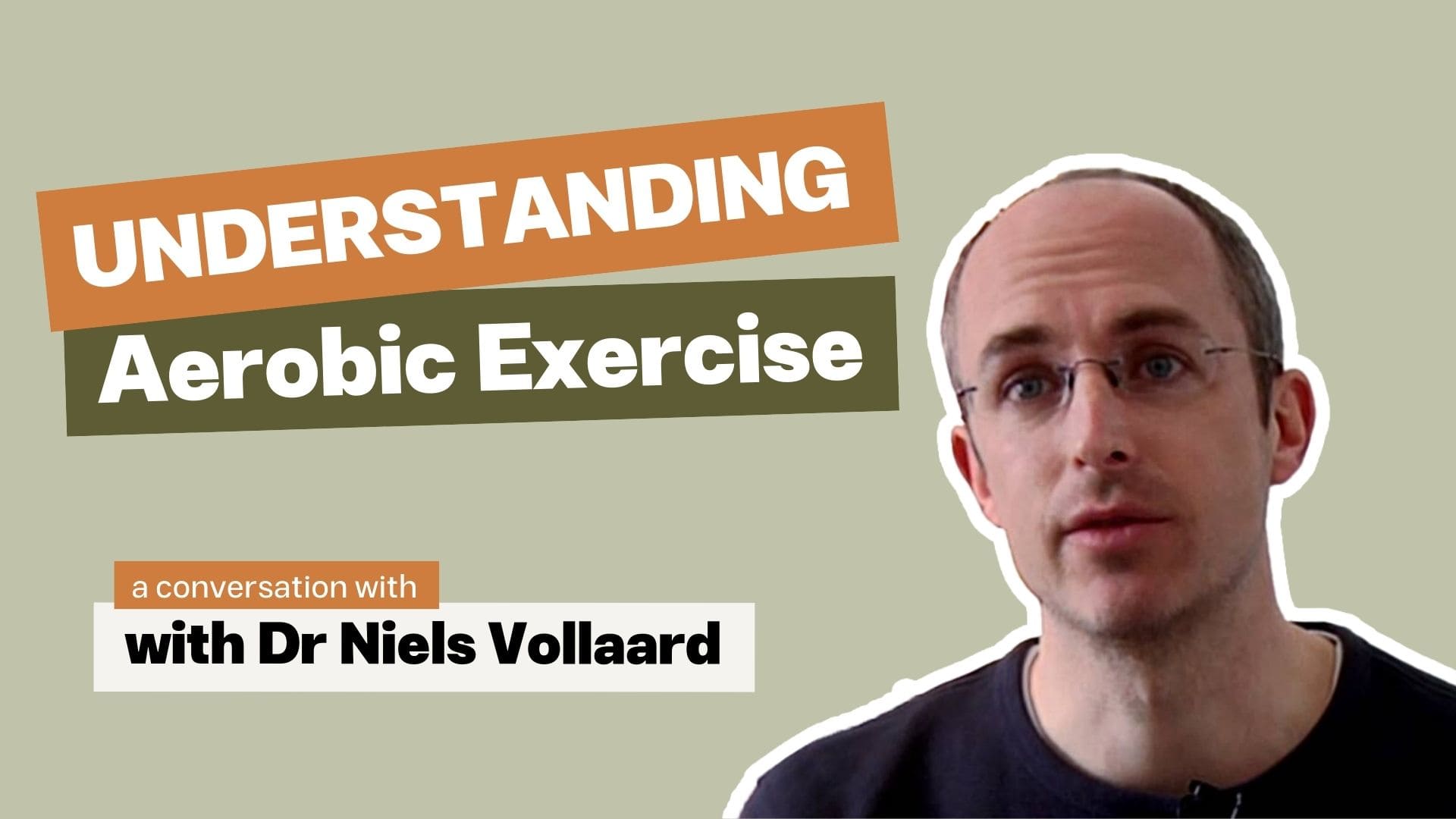
In this enlightening conversation, Dr. Niels Vollaard, an exercise physiologist at the University of Stirling, challenges common misconceptions about aerobic exercise and reveals the science behind effective physical activity. Dr. Vollaard's research focuses on finding the minimum amount of aerobic exercise needed to achieve significant health benefits, with particular emphasis on high-intensity interval training protocols.
Key 'Aerobic Exercise' Insights:
- Exercise Isn't Healthy, Recovery Is: Dr. Vollaard explains that aerobic exercise itself creates stress on the body—including inflammation and muscle damage—but it's the recovery process that delivers health benefits
- The Intensity-Duration Relationship: Higher intensity aerobic exercise requires less time to achieve similar health benefits compared to lower intensity exercise that must be performed for longer durations
- Evolutionary Mismatch: Our bodies evolved expecting daily physical activity for survival, but modern sedentary lifestyles have created a mismatch that leads to disease
- The REHIT Protocol: Dr. Vollaard's research has developed a 10-minute aerobic exercise protocol with just two 20-second all-out sprints that can deliver significant health benefits
- Beyond Weight Loss: Aerobic exercise should be viewed primarily as a tool for long-term health and preventing chronic disease, not just for short-term aesthetic goals
- The Barrier Problem: Most people don't enjoy aerobic exercise, making sustainability the biggest challenge for long-term adherence
Want the complete framework?
Get The Vital 3 Method guide free — the evidence-based system for sustainable health after 40.
Expert 'Aerobic Exercise' Takeaways
- Incorporate some form of higher-intensity aerobic exercise to get more health benefits in less time
- Focus on building aerobic exercise habits that are sustainable for decades, not just weeks or months
- Consider cycling-based aerobic exercise for high-intensity training with lower injury risk
- Look for ways to integrate physical activity into daily routines rather than making it a separate task
- Understand that any increase in aerobic exercise will provide health benefits, even if modest
- The goal isn't immediate results but ensuring better health in your 60s, 70s, and beyond
About Our Guest
Dr. Niels Vollaard is an exercise physiologist at the University of Stirling. Having studied at the University of Maastricht, completed a master's at Aberdeen, and earned his PhD at the University of Essex, his career has included positions at Heriot-Watt University in Edinburgh and the University of Bath. Dr. Vollaard's research has shifted from sports performance to health optimisation, with a particular focus on developing time-efficient aerobic exercise protocols that deliver maximum health benefits with minimal time investment.

Watch the 'Aerobic Exercise' Interview
'Aerobic Exercise' Resources
Click on webpage below
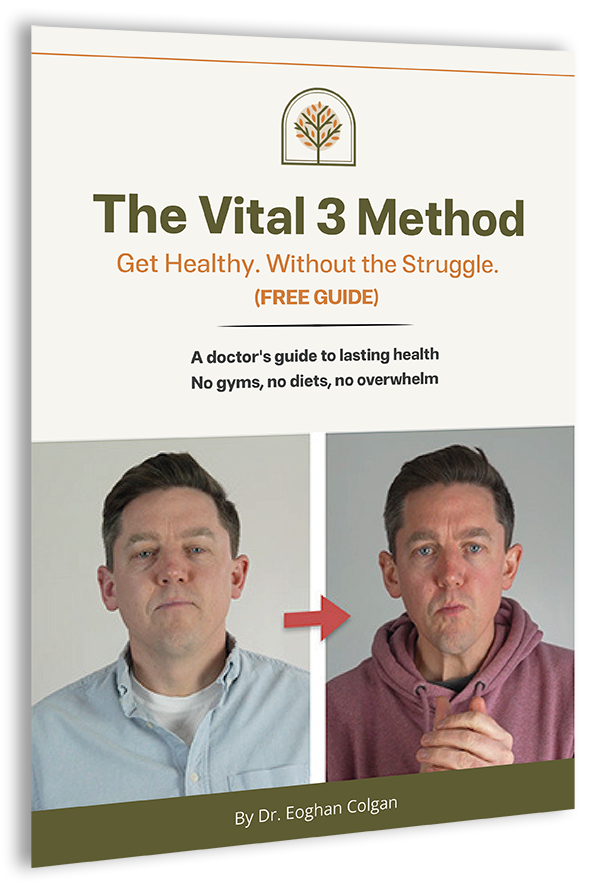
It's not about willpower
A doctor's guide to healthy living and making it stick
What's inside
- Why healthy living matters for you and your loved ones
- The actions that make a difference - not 100 biohacks that don't!
- My exact program that helped me lose 14kg in weight, reverse my metabolic age, and feel in the best shape of my life
- Tips on using AI to supercharge your lifestyle changes
I will not share your details with any third party
Additional Interviews
Are you interested in other expert interviews on health, wellness and longevity topics? Click on the links below to discover more.
Sleep
The most under-rated life pillar of all!
Exercise
The foundation of lasting health
Nutrition
The fuel that shapes your wellbeing