
Foods That Fight Fatigue: What Actually Works (And What Doesn't)

Key Takeaways
- It's your eating pattern, not a missing superfood. Blood sugar crashes, skipped protein, and ultra-processed meals drain energy through different mechanisms — and they stack up.
- Your body handles food differently after 40. Insulin slows down, muscles need more protein, and nutrient gaps widen — but all of it is fixable.
- If better eating doesn't fix it, get a blood test. Iron, B12, vitamin D, and thyroid cover most of the common culprits hiding behind "I'm just tired."
You eat what you think is a reasonable lunch. Chicken, some salad, maybe a wholegrain wrap. Not junk. Not a huge portion. And by mid-afternoon, you're still reaching for coffee just to get through your inbox.
So you Google "foods that fight fatigue" — and you get a list. Bananas. Almonds. Sweet potatoes. Twelve superfoods that will apparently fix everything.
They won't. Because the problem usually isn't a missing food. It's a pattern.
How your meals are built — what's in them, what's missing, and how your body processes them — matters far more than whether you snack on goji berries. And after 40, the way your body handles food starts to shift in ways that make this even more important.
Here's what's actually draining your energy, and what to do about it.
Four Reasons Your Diet Is Draining You
Most diet-related fatigue comes down to four things — and most people have at least two happening at once.
- Blood sugar crashes — your meals spike glucose, then dump it
- Not enough protein — especially at breakfast and lunch
- Too much ultra-processed food — it drains energy through multiple routes
- Nutrient gaps — iron, B12, vitamin D, magnesium — that get more common with age
None of these is dramatic on its own. But layered together, day after day, they're the difference between dragging through your afternoon and not noticing it.
And if you've noticed this getting worse in recent years — it probably has. After 40, your body handles glucose less efficiently, needs more protein to maintain muscle, and becomes more vulnerable to nutrient gaps. This isn't decline. It's a shift that responds well to the right adjustments.
Let's take them one at a time.
Blood Sugar — The Spike-and-Crash Cycle
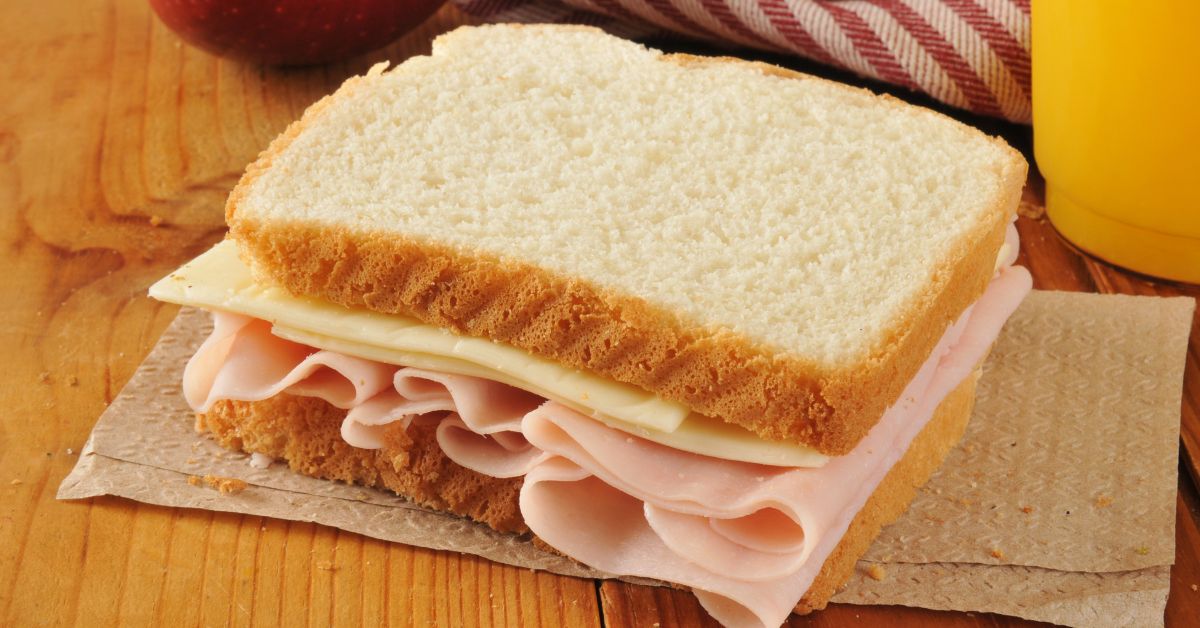
Not all carbohydrates hit your bloodstream the same way. A bowl of lentils has plenty of carbohydrate, but your blood sugar barely moves. A white bread sandwich floods your bloodstream with glucose in minutes.
When glucose spikes, your brain dials down its alertness signals. Then insulin kicks in to clear the excess — often overcorrecting. Blood sugar drops. Your brain, now short on fuel, signals fatigue.
You get hit twice: drowsy during the spike, tired after the crash.
After 40, this gets worse. Your body becomes less sensitive to insulin, so it takes longer to clear glucose from your blood. The spike lasts longer. The drowsy window stretches. The same lunch that kept you sharp at 30 now puts you in a fog at 45.
If this sounds familiar, I've written a deeper dive into why the afternoon slump happens and what to do about it — including the body clock component that has nothing to do with food.
The Protein Gap at Breakfast and Lunch
Protein does two things for your energy that carbohydrate alone can't. It slows glucose absorption — so when you eat protein alongside carbs, you get a gentler blood sugar curve instead of a spike and crash. And it takes longer to digest, providing a steady release of fuel over hours rather than a quick hit that's gone by mid-afternoon.
After 40, this matters even more. You lose roughly 0.5 to 1% of your muscle mass every year — and muscle is where your body produces most of its energy. Your muscles also help clear glucose from your blood, so less muscle means blood sugar lingers longer after meals. To slow all of this down, your body needs more protein per meal than it used to — but most people eat less as they get older, not more.
And the meals where protein is most often missing are breakfast and lunch — the two meals that fuel your working day. A bowl of cereal. Toast and jam. A sandwich that's mostly bread. These meals are built around carbohydrate, with protein as an afterthought. By mid-afternoon, your energy is already fading.
There's a simple test. If you finish a meal and you're still hungry an hour later, the chances are you didn't have enough protein in it — and too much carbohydrate.

Ultra-Processed Food — The Silent Energy Thief
You might already know ultra-processed food isn't great for you. But most people think of it as a long-term health risk — something that matters over decades. What's less obvious is that it drains your energy today.
It works through several routes at once.
First, the blood sugar problem. Ultra-processed foods have had their natural structure broken down during manufacturing. The fibre is gone, the cells are disrupted, and what's left is absorbed fast — flooding your bloodstream with glucose even when the food doesn't taste particularly sweet. Same spike-and-crash cycle, but harder to spot.
Second, inflammation. People who eat the most ultra-processed food show significantly higher levels of inflammatory markers — and this holds true even in people who aren't overweight. Chronic low-grade inflammation is an energy drain. You don't feel it as pain. You feel it as tiredness that never quite lifts.
Third, your gut. Your gut bacteria produce neurotransmitters and signalling molecules that directly influence how alert or tired you feel. They need fibre to do this. Ultra-processed foods starve them of it. Simple sugars get absorbed high in the digestive tract and are gone almost instantly — they offer nothing to the bacteria that support your energy and mood. Without fibre, gut bacteria turn to other food sources, including the gut's own mucus lining — weakening the barrier and allowing inflammatory molecules into your bloodstream.
And fourth, displacement. Ultra-processed foods are low in the micronutrients your body needs for energy — B vitamins, magnesium, iron. The more of them you eat, the less room there is for the foods that actually provide these nutrients.
The good news: this reverses faster than you'd expect. In one study, participants who reduced their ultra-processed food intake reported better energy and mood within weeks — not months.
Want the complete framework?
Get "The Vital 3 Method" free guide — the system for building sustainable health habits across sleep, nutrition, and exercise.
The Deficiencies That Mimic “Just Getting Older”
Sometimes fatigue isn't about how you eat. It's about what's missing.
Four deficiencies are common in adults over 40 — and all of them cause tiredness:
Iron carries oxygen in your blood. Low iron means less oxygen reaching your muscles and brain. You feel it as a heaviness that rest doesn't fix. It's especially common in women before menopause and in people who eat little or no red meat.
Vitamin B12 supports red blood cell production and nerve function. After 40, your stomach becomes less acidic, making B12 harder to absorb from food — even if you're eating enough of it. Vegans and vegetarians are particularly at risk, but it's not limited to them.
Vitamin D affects muscle function, mood, and inflammation. If you live at a northern latitude, you're likely not getting enough from sunlight for several months of the year. Food sources are limited — fatty fish and fortified foods are the main options.
Magnesium is involved in energy production at the cellular level. Here's an interesting finding from the research: dietary magnesium — from nuts, seeds, leafy greens, whole grains — is associated with reduced mortality. But supplemental magnesium doesn't show the same benefit. The food matters, not just the nutrient.
The pattern is the same for all of them. A diet built around whole foods covers most of these naturally. A diet heavy in ultra-processed food displaces them. As one expert told me: don't take a turmeric supplement — cook with turmeric.
If you suspect a deficiency, a simple blood test covers iron, B12, and vitamin D. It's worth asking for, especially if fatigue hasn't improved after changing how you eat.

What Actually Helps — The Pattern, Not the List
So: blood sugar instability, protein gaps, ultra-processed food, and nutrient deficiencies. Four problems — but they share a single fix. As one nutritional scientist told me: "There isn't one superfood, there isn't one super nutrient." It's the overall pattern.
Here's what that pattern looks like in practice:
Swap refined carbs for starchy ones. Lentils instead of white pasta. Oats instead of a croissant. Whole grains instead of white bread. These release glucose slowly rather than all at once — and your brain stays fuelled instead of crashing.
Put protein in every meal. Eggs, Greek yoghurt, or beans at breakfast. Chicken, fish, lentils, or tofu at lunch. It doesn't need to be a huge portion — it just needs to be there. And it doesn't all need to come from meat. As one of the world's leading protein researchers told me: the body doesn't care where the protein comes from. It just needs the amino acids.
Fix breakfast and lunch first. These are the meals that power your working day, and they're the ones most likely to be carb-heavy and protein-light. Adding protein to these two meals makes a bigger difference than optimising dinner.
Cook more. Crowd out the processed. You don't need to eliminate ultra-processed food overnight. Instead of spending all day thinking about the biscuits you can't have, focus on getting more of the good stuff in. Vegetables, legumes, nuts, whole grains, fish, olive oil. The processed food gradually loses its grip.
Build your plate. Half vegetables. A quarter protein. A quarter whole grains or starchy carbs. This isn't a diet — it's a structure that keeps blood sugar steady and protein consistent across the day.
Eat earlier when you can. Your body processes glucose more efficiently in the morning — research shows insulin sensitivity is significantly higher earlier in the day. The same meal produces a smaller blood sugar response at lunch than at 9pm. Late evening meals are the worst combination of poor glucose handling and disrupted sleep.
Get your fibre up. Around 25 to 30 grams a day is the target supported by the research. Most people fall well short. Fibre slows glucose absorption, feeds your gut bacteria, and keeps energy steady. Vegetables, beans, lentils, oats, and whole grains are your best sources.

When Food Isn’t the Problem
Sometimes you do all of this — better meals, more protein, less processed food — and you're still exhausted.
That's worth paying attention to.
Occasional tiredness after a poor night's sleep or a stressful week is normal. But persistent fatigue that doesn't improve with better eating and better rest is your body telling you something.
Common causes worth investigating: poor sleep quality (not just duration), chronic stress, thyroid dysfunction, sleep apnoea, and iron-deficiency anaemia. Most of these are picked up with a straightforward blood test or a conversation with your doctor.
The distinction that matters: if rest fixes it, it's probably tiredness. If rest doesn't fix it, it's fatigue — and fatigue deserves investigation.
Don't assume it's just how things are now. It might be. But if it's not, catching it early gives you options.
The Bottom Line
Your energy is built meal by meal. Not from a single superfood, but from a pattern — steady blood sugar, enough protein, real food over processed, and fixing any gaps your body has developed.
Most of this is manageable. And it doesn't require a complete overhaul — it requires noticing what's missing.
Ready to Transform Your Health?
Get the complete Vital 3 Method guide — free:
You've just learned how your diet affects your energy — and what to change. But nutrition is just one of three pillars that determine your long-term health.
Get the complete Vital 3 Method guide — free:
- All 9 evidence-based principles across Sleep, Nutrition, and Exercise
- The Build Good Habits framework to make changes stick
- A sustainable approach that works for busy professionals
No spam. Unsubscribe anytime.
Frequently Asked Questions
Sources
- Hall KD et al. (2019). Ultra-Processed Diets Cause Excess Calorie Intake and Weight Gain: An Inpatient Randomized Controlled Trial of Ad Libitum Food Intake. Cell Metabolism. PubMed
- Reynolds A et al. (2019). Carbohydrate quality and human health: a series of systematic reviews and meta-analyses. The Lancet. PubMed
- Faulkner JA et al. (2018). The age-related loss of skeletal muscle mass and function: Measurement and physiology of muscle fibre atrophy and muscle fibre loss in humans. Ageing Research Reviews. PubMed
- von Haehling S et al. (2010). An overview of sarcopenia: facts and numbers on prevalence and clinical impact. Journal of Cachexia, Sarcopenia and Muscle. PubMed
- Tristan Asensi M et al. (2023). Low-Grade Inflammation and Ultra-Processed Foods Consumption: A Review. Nutrients. PubMed
- Stenvers DJ et al. (2020). Impact of circadian disruption on glucose metabolism: implications for type 2 diabetes. Diabetologia. PubMed
- Morris CJ et al. (2015). Endogenous circadian system and circadian misalignment impact glucose tolerance via separate mechanisms in humans. PNAS. PNAS
- Harvard Health (2024). Could a vitamin or mineral deficiency be behind your fatigue? Harvard Health
Medical disclaimer
This content is for informational purposes only and is not intended as medical advice. Always consult your healthcare provider before making changes to your health routine. What works for one person may not work for another — this is a roadmap, not a prescription.
About Dr. Eoghan Colgan
Emergency medicine physician researching what actually works for longevity. I interview world-class experts in health and longevity and test everything personally. Everything I teach is what I'm implementing myself. More about me →

Related Articles

How to Calculate Protein Intake: A Doctor’s Simple Rule
How to Calculate Protein Intake: A Doctor’s Simple Rule Key Takeaways The simplest way to […]

Does Creatine Cause Hair Loss? What the Evidence Shows
Does Creatine Cause Hair Loss? What the Evidence Shows Key Takeaways No study has shown […]

Creatine Side Effects: What’s Real and What Isn’t
Creatine Side Effects: What’s Real and What Isn’t Key Takeaways Creatine is one of the […]