
Episode Overview
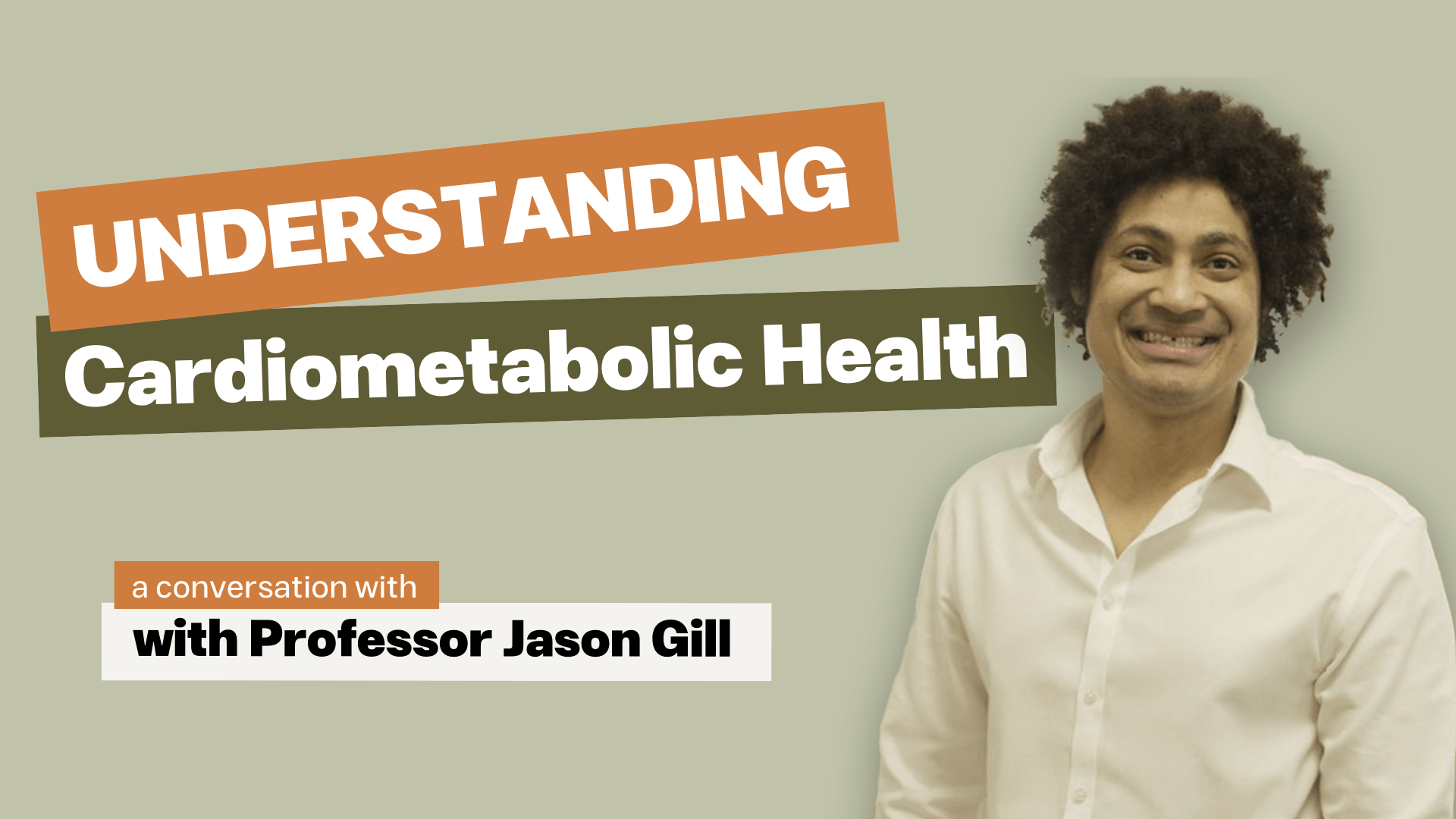
In this second session, Professor Gill, a cardiometabolic health researcher who helped shape the UK physical activity guidelines, sets out how much exercise you actually need for long-term health. He explains why the first ten minutes matter most, where the benefits level off, and why getting better at burning fat may make weight easier to maintain. He also challenges two common beliefs: that it's too late to start in midlife, and that "bad genes" mean lifestyle changes won't work. The result is a practical, evidence-based case for doing a manageable amount and sticking with it.
Key 'Cardiometabolic Health' Insights:
- There Is No Minimum Dose: The benefit of activity is curvilinear, so going from nothing to something gives the biggest return. For someone inactive, a ten-minute daily walk is the most valuable ten minutes they can do.
- The Plateau Is 8,000–10,000 Steps: The 10,000-step target began as a 1960s Japanese marketing term, but it turned out to be roughly right. Benefits flatten at about 8,000–10,000 steps under 60, and 6,500–8,000 over 60.
- A Little Intensity Adds Value: Around 10–15 minutes a day of harder effort (brisk walking, hills, running) gives benefit on top of total steps. The "talk test" is the guide: at vigorous intensity you struggle to hold a conversation.
- Strength Training Needs Only Minutes: Three quarters of people do no muscle strengthening, yet going from zero to one session a week brings a large benefit. Use a load you can lift only 8–15 times, covering each major muscle group. That is about 15 minutes a week.
- Burning Fat Curbs Appetite: Studies show people who burn more fat eat less afterwards and gain less weight over time. Fitness improves fat burning, which is why beginners are better off with an hour's walk than a hard run that leaves them hungry.
- It's Current Activity That Counts: Someone who takes up activity in middle age has the same risk as someone who has always been active. Equally, the benefits of an active youth can't be stored.
- High-Risk Genes Make Lifestyle Matter More: UK Biobank data show that activity, sleep and sugary drinks have a bigger effect on body weight in people with a high genetic risk of obesity. A family history is a reason to act, not to give up.
Want the complete framework?
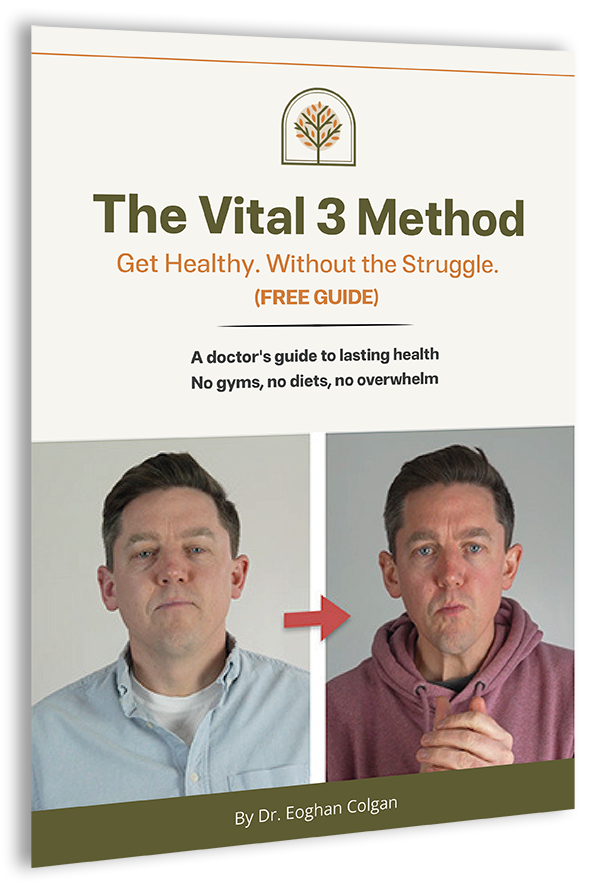
Get The Vital 3 Method guide free — the evidence-based system for sustainable health after 40.
Expert 'Cardiometabolic Health' Takeaways
- Don't smoke. Professor Gill's research found smoking carries about as much risk as inactivity, poor diet and poor sleep put together.
- Build activity into your day: walk or cycle part of your commute, take the stairs, and pick something you enjoy.
- Aim for 8,000 steps or more a day, about 10 minutes a day that leaves you a bit out of breath, and one or two strength sessions a week.
- Start gently. Finish each session able to go again tomorrow. Five press-ups is a fine start.
- Choose a way of eating you can stick to: not too much sugar, with enough protein and fibre.
- Get enough sleep, and get outside in daylight.
About Our Guest
Professor Jason Gill is a Professor of Cardiometabolic Health at the University of Glasgow. His research spans three main areas: epidemiology of chronic disease, biological mechanisms of diet and exercise effects, and development of lifestyle interventions. With funding from prestigious organizations including research councils in the United Kingdom, Diabetes UK, the British Heart Foundation, and the European Commission, his work has contributed significantly to our understanding of how lifestyle factors influence health outcomes.

Watch the 'Cardiometabolic Health (Part 2)' Interview
'Cardiometabolic Health' Resources
Key Research Discussed:
It's not about willpower
A doctor's guide to healthy living and making it stick
What's inside
- Why healthy living matters for you and your loved ones
- The actions that make a difference - not 100 biohacks that don't!
- My exact program that helped me lose 14kg in weight, reverse my metabolic age, and feel in the best shape of my life
- Tips on using AI to supercharge your lifestyle changes
I will not share your details with any third party
More conversations with leading scientists
Browse all the interviews by topic: sleep, nutrition, exercise and more.